London Postcodes & Starting Home Prices in 2026
20 April 26
/Dubai
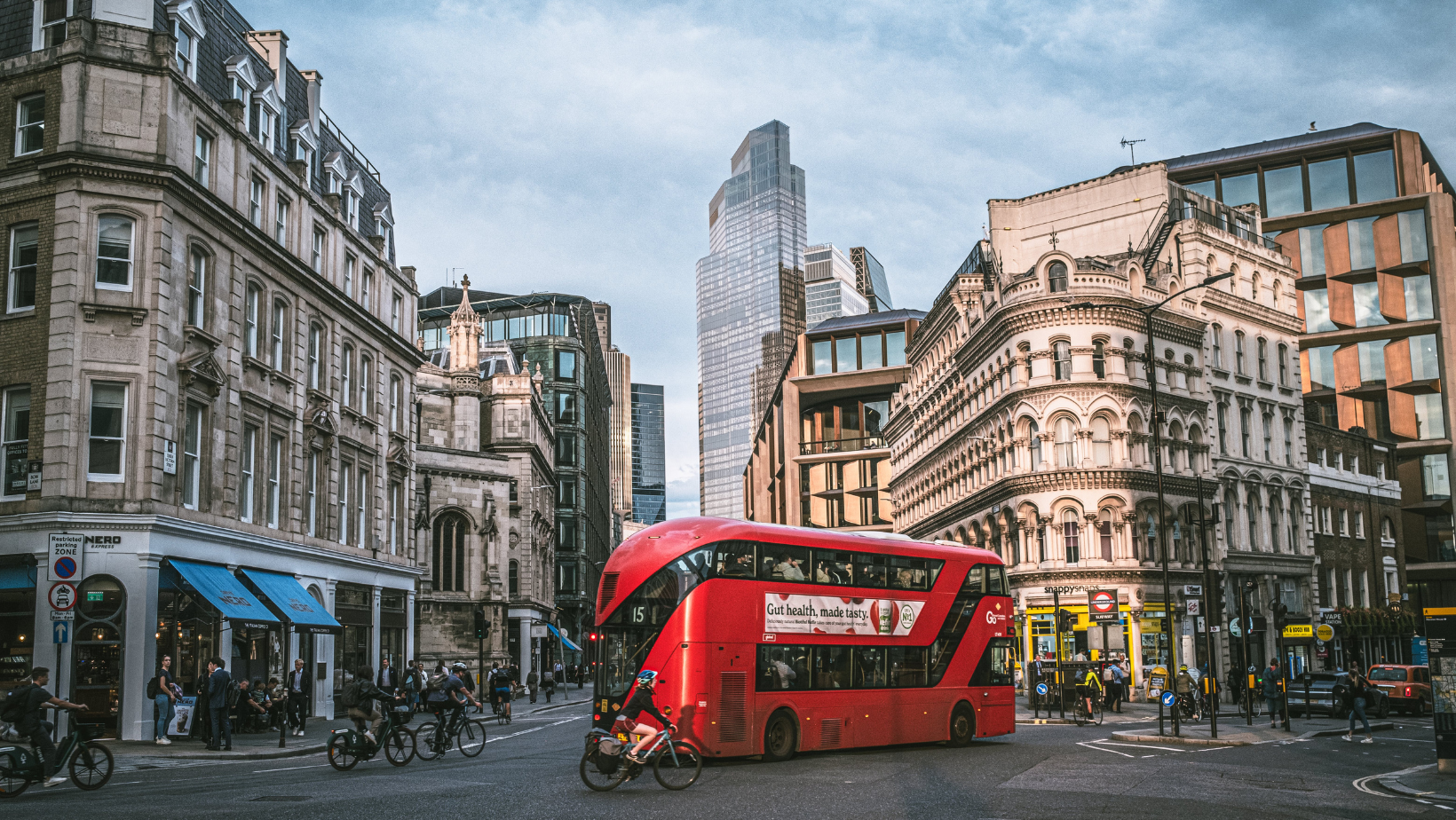
London is one of the few cities in the world where the postcode tells you almost everything — the price, the lifestyle, the school catchment, and often the resale potential. For international buyers comparing London with Dubai, understanding the postcode map is the fastest way to know what your budget can actually buy in 2026.
Here’s a clear, district-by-district view of where London home prices start this year — from prime central all the way out to the commuter belt.
Prime Central London — W1, SW1, SW3, SW7, NW1
This is the heart of the London property market: Mayfair (W1), Belgravia and Westminster (SW1), Chelsea (SW3), Knightsbridge and South Kensington (SW7), and parts of Marylebone and Regent’s Park (NW1). Entry-level one-bedroom apartments in these postcodes typically start from around £950,000 to £1.4 million, while family-sized homes regularly exceed £4 million. Period townhouses in Belgravia or Chelsea can reach £15 million and above.
These addresses behave less like housing and more like a global asset class — they hold value through cycles and remain the first choice for international capital.
Prime West London — W2, W8, W11, W14
Bayswater (W2), Kensington (W8), Notting Hill (W11), and West Kensington (W14) sit just outside the absolute prime postcodes but still command premium pricing. One-bedroom flats in Notting Hill or Kensington start around £750,000 to £900,000, with classic stucco-fronted homes priced from £3 million upward. W14 offers the best relative value of the four, with starting prices closer to £550,000 for a one-bed.
Prime North & Northwest — NW3, NW8, N1, N6
Hampstead (NW3), St John’s Wood (NW8), Islington (N1), and Highgate (N6) are the leafy heavyweights of north London. Starting prices for a one-bedroom apartment range from £550,000 in parts of Islington to £850,000 in St John’s Wood. Family homes in Hampstead and Highgate begin around £1.8 million and rise quickly with garden size and period features.
Riverside & Emerging Prime — SE1, E1, E14, SW11
South Bank (SE1), Wapping (E1), Canary Wharf (E14), and Battersea (SW11) have transformed over the last decade into serious prime alternatives. New-build one-bedroom apartments along the Thames typically start from £575,000 to £750,000, with riverfront units in Battersea Power Station or One Thames City reaching well above £1 million. These postcodes appeal strongly to buyers who want modern amenities, concierge service, and strong rental yields.
Value Zones & Commuter Belt — SE15, E17, NW10, CR0, BR1
For buyers focused on yield or first-time entry, the outer postcodes offer real value. Peckham (SE15) and Walthamstow (E17) start from around £350,000 for a one-bedroom flat. Harlesden and Willesden (NW10) start from £325,000. Croydon (CR0) and Bromley (BR1) — both well-connected commuter zones — begin around £260,000 to £310,000 for a modern one-bed, with three-bedroom houses available from £475,000.
These areas are where rental yields in London are strongest, often 4.5 to 5.5 percent gross — a meaningful difference compared to the 2 to 3 percent typical of prime central.
The Postcode Is the Product
In London, you’re never just buying a property — you’re buying a postcode, a school catchment, a transport zone, and a resale story. Prime central holds value, prime west and north offer lifestyle premium, riverside zones deliver modern living with strong yields, and the outer belts give you the best entry price and rental returns.
At Baytify, we help international buyers compare London opportunities side-by-side with Dubai, so the choice between the two markets is based on numbers, not assumptions.
Read more articles here.
We’re here to help
Contact our dedicated team for any assistance you may need.
Get updates straight to your inbox
Stay in the loop! subscribe for quick updates direct to your inbox. Act now!