The 3 Biggest Property Policy Changes Introduced in the Last 3 Months
01 July 26
/Dubai

The UAE real estate market is constantly evolving, but the past three months have been particularly significant for tenants, homeowners, and investors.
As the country continues to attract global talent, businesses, and property investors, authorities and financial institutions have introduced several major initiatives aimed at making the market more flexible, transparent, and financially secure.
From a new rental payment system in Dubai to rent stabilization measures in Abu Dhabi and easier financing for off-plan properties, these changes are already influencing how people rent, buy, and invest across the UAE.
Here are the three biggest real estate policy updates introduced over the last quarter—and why they matter.
1. Dubai Launches Flexi Rent: A More Flexible Way to Pay Rent
One of the most impactful changes for residents came from the Dubai Land Department (DLD), which introduced the Flexi Rent initiative in partnership with several major developers.
For years, many tenants in Dubai were required to pay their annual rent using post-dated cheques, often creating a significant upfront financial commitment.
What's Changing?
Eligible tenants can now split their annual rent into monthly or quarterly digital installments using approved payment methods, including credit and debit cards.
Why It Matters
The new system provides greater flexibility and improves cash flow management for residents.
Rather than setting aside large sums for rent payments, tenants can spread costs more comfortably throughout the year. The initiative also supports Dubai's broader goal of creating a smarter and more digitally connected real estate ecosystem.
For many residents, this represents one of the most tenant-friendly rental reforms introduced in recent years.
2. Abu Dhabi Freezes Rent Increases to Support Market Stability
As Abu Dhabi continues to experience population growth and increasing housing demand, authorities have taken steps to provide greater certainty for residents and businesses.
In one of the most notable housing policy changes this year, the Abu Dhabi Real Estate Centre (ADREC) temporarily reduced the annual rental increase cap from 5% to 0%.
What's Changing?
Landlords are currently unable to increase rents on eligible contract renewals until further notice.
Additionally, new lease agreements on previously rented properties must generally align with the last registered rental value.
Why It Matters
This move provides tenants with greater financial predictability at a time when many global cities continue to experience rising housing costs.
Families can better plan their household budgets, while businesses benefit from more stable operational expenses.
The policy reinforces Abu Dhabi's commitment to maintaining affordability and supporting long-term residents, making the capital an increasingly attractive destination for professionals and investors alike.
3. Day-One Off-Plan Mortgages Create More Confidence for Buyers
The third major change focuses on one of the UAE's most popular investment sectors: off-plan property.
Traditionally, buyers often had to wait until construction was significantly advanced before securing mortgage financing, creating uncertainty throughout the investment journey.
That process is now changing.
What's Changing?
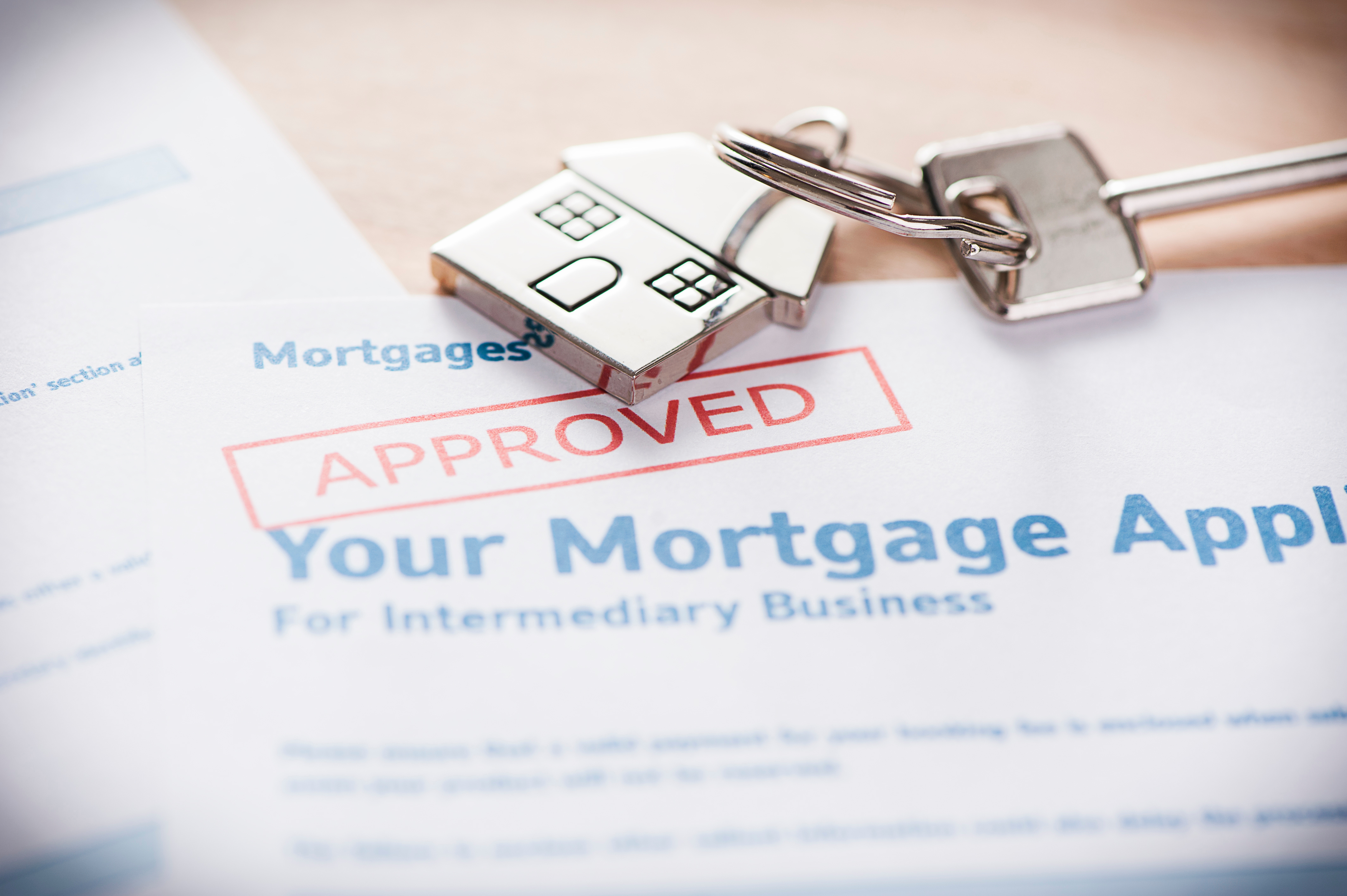
Leading UAE banks have partnered with major developers to offer mortgage pre-approvals from the very beginning of an off-plan purchase.
Buyers can now explore financing options much earlier in the process, often at the time of booking.
Why It Matters
This provides significantly more confidence for both local and international investors.
Rather than worrying about future financing availability, buyers can plan their budgets and long-term investment strategies with greater clarity from day one.
The initiative also strengthens confidence in Dubai's off-plan market by creating a closer partnership between developers and financial institutions.
For investors seeking long-term opportunities, this represents a major step forward in making off-plan ownership more accessible and predictable.
What These Changes Mean for the UAE Property Market
While each policy addresses a different segment of the market, they all point toward the same objective: creating a stronger and more investor-friendly real estate environment.
These recent developments demonstrate how the UAE continues to adapt to the needs of modern residents and global investors by:
- Making rental payments more flexible.
- Protecting tenants from sudden rental increases.
- Improving access to property financing.
- Increasing transparency and confidence across the market.
Together, these measures help strengthen the UAE's reputation as one of the world's most dynamic and secure real estate destinations.
Final Thoughts
What makes these updates particularly important is that all three were introduced within the last three months.
Rather than isolated regulatory adjustments, they represent a broader evolution of the UAE real estate market—one focused on flexibility, stability, and long-term growth.
Whether you're a tenant looking for more manageable rental payments, a homeowner seeking market confidence, or an investor exploring new opportunities, these policy changes create a more predictable and accessible environment for making property decisions.
As Dubai and Abu Dhabi continue to attract international attention, initiatives like these reinforce why the UAE remains one of the most attractive real estate markets in the world.
Staying informed about these changes can help buyers, tenants, and investors make smarter decisions and take advantage of the opportunities emerging across the UAE property sector.

Get updates straight to your inbox
Stay in the loop! subscribe for quick updates direct to your inbox. Act now!