Dubai 2026: How New Handovers Will Shape Property Prices
12 January 26
/Dubai
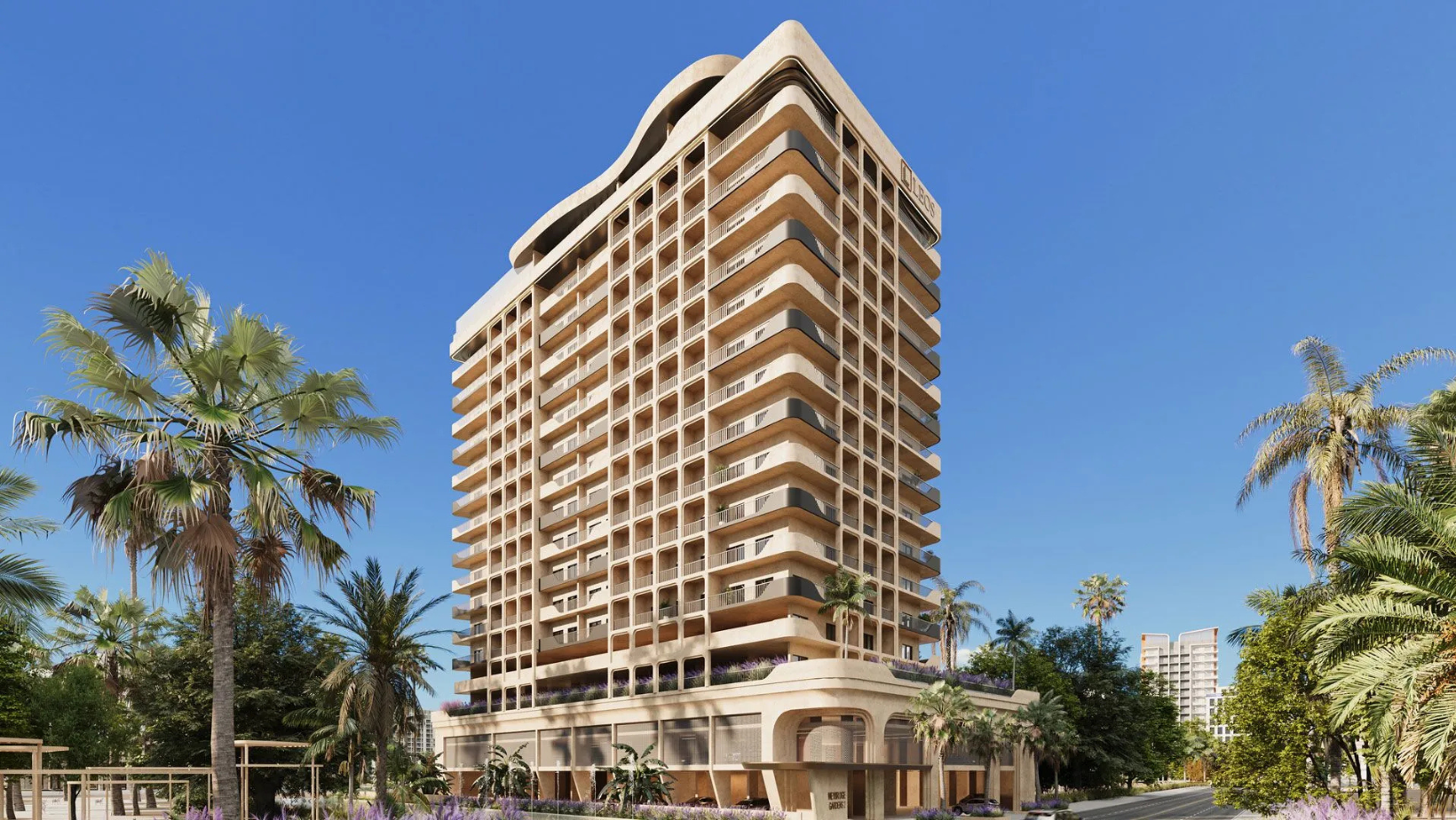
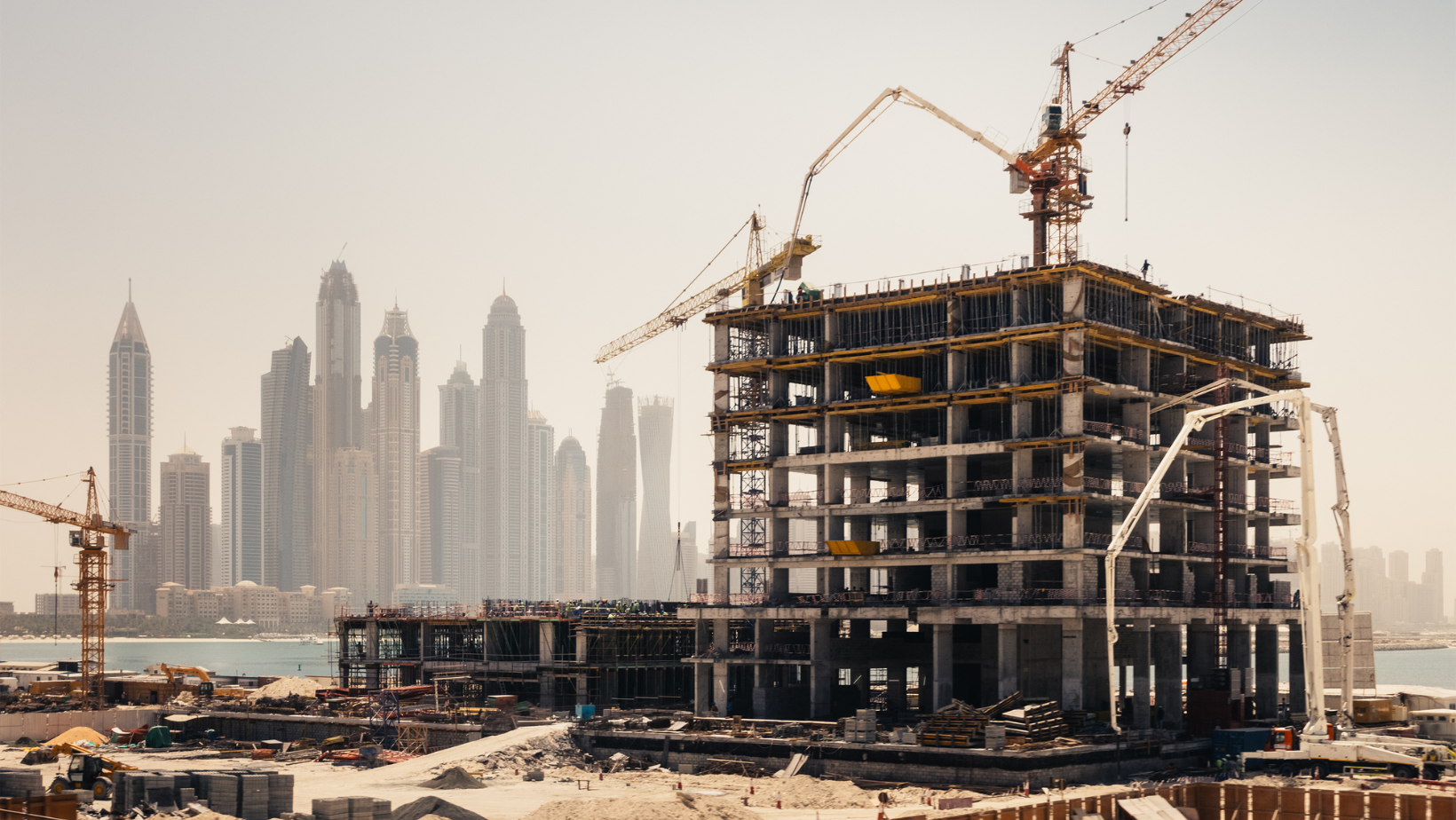
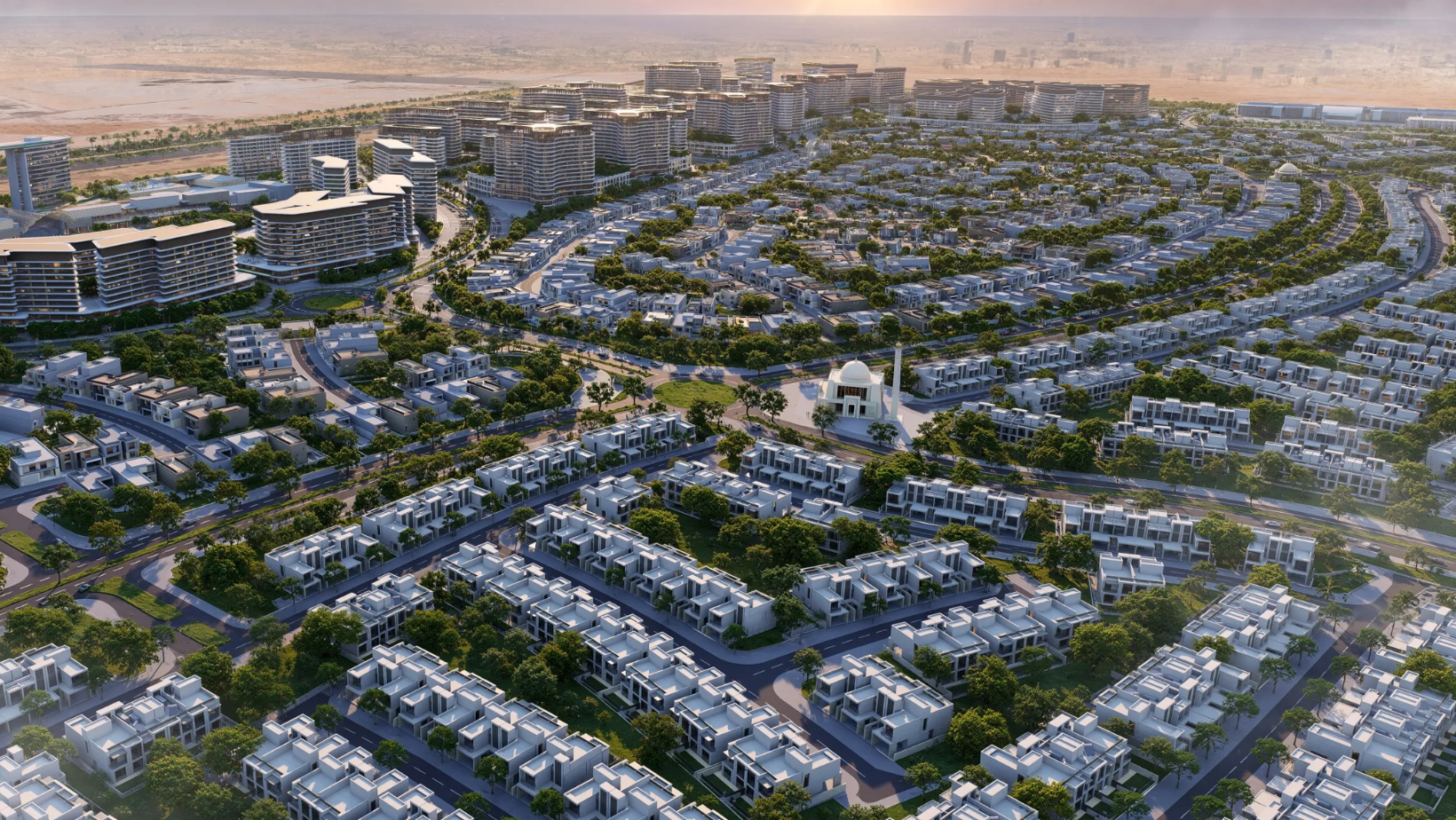
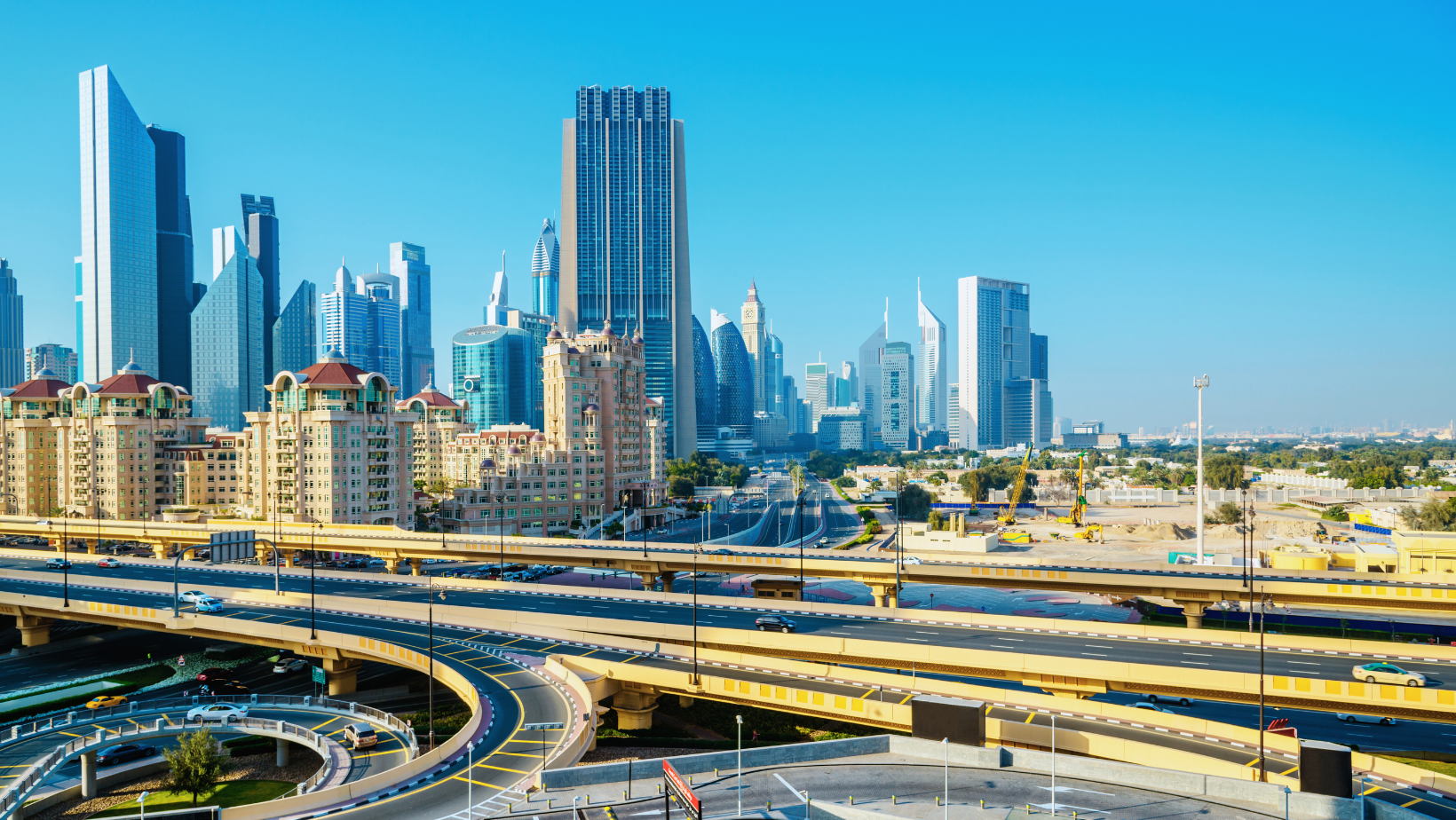
Dubai is moving into a major handover phase. Thousands of homes launched over the past few years are nearing completion, and by 2026 the city will see one of its most active delivery periods in recent memory. That naturally raises concerns around oversupply and pricing pressure. But Dubai’s market doesn’t move on numbers alone.
Supply Numbers Tell Part of the Story
Market pipelines suggest that more than 40,000 homes could be handed over in 2026, following a similarly strong delivery year in 2025. However, these homes do not enter the market at once. Delays, phased completions, and staggered handovers spread supply over time, allowing demand to absorb new stock gradually rather than in a single wave.
Where Supply Hits Hardest
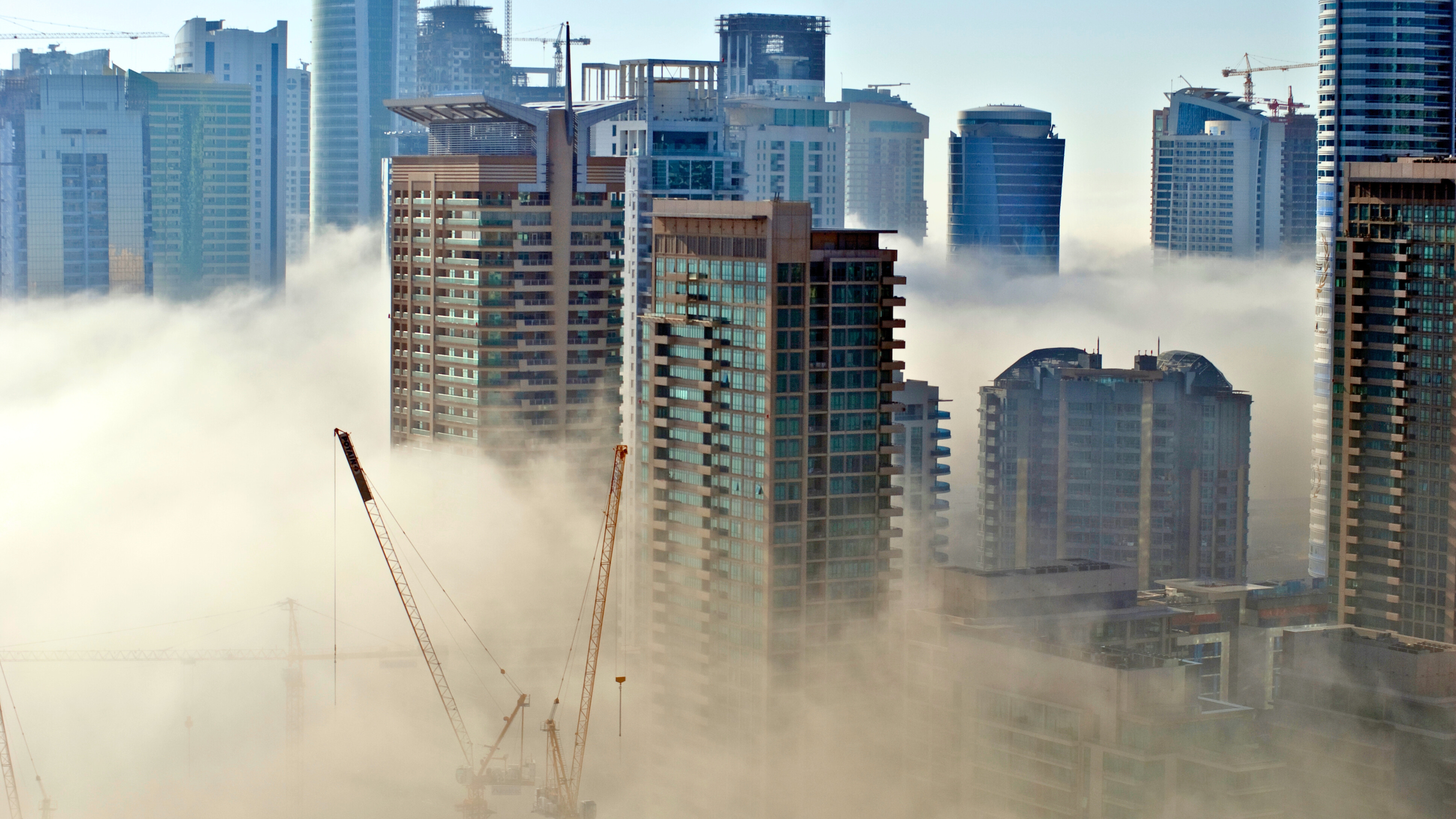
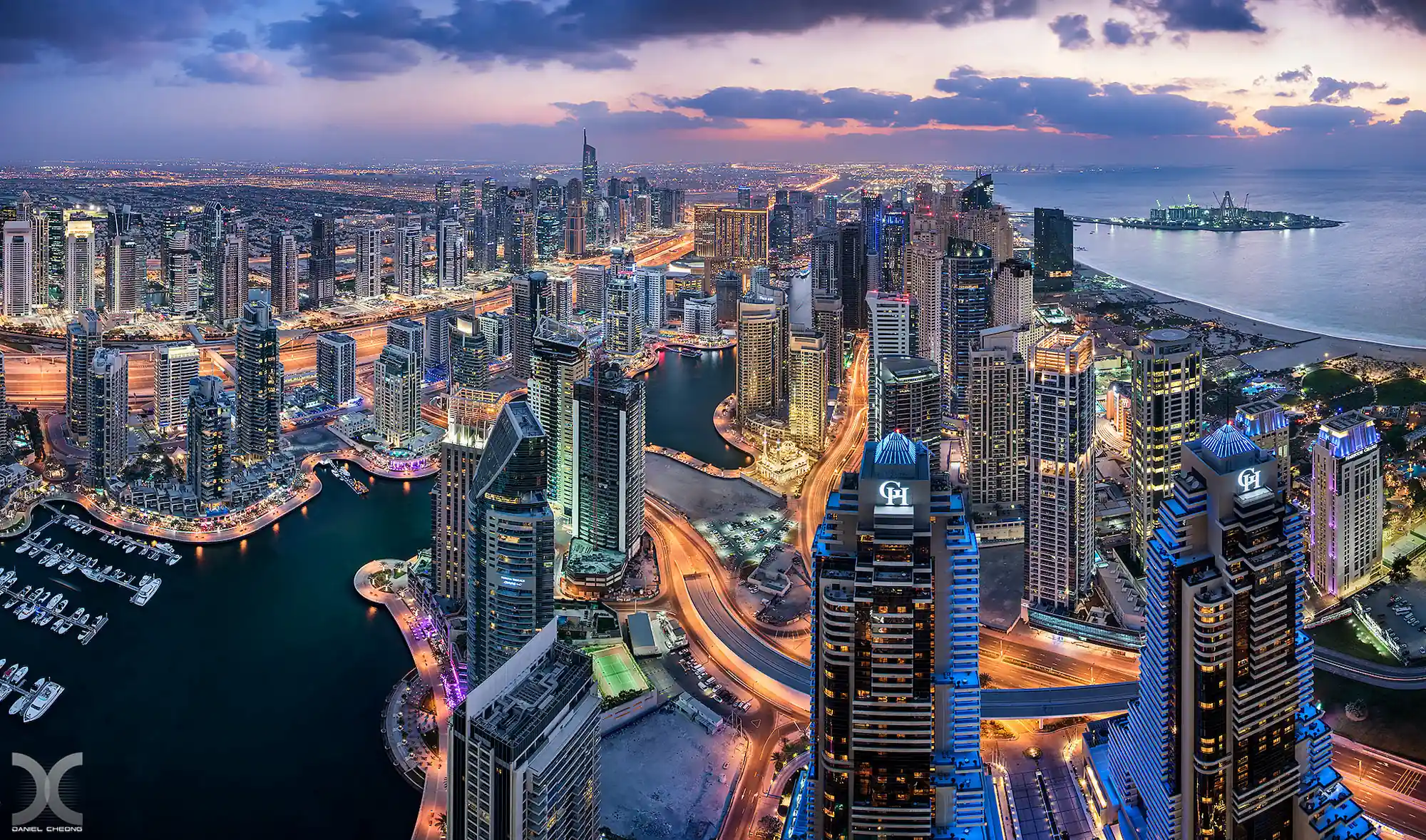
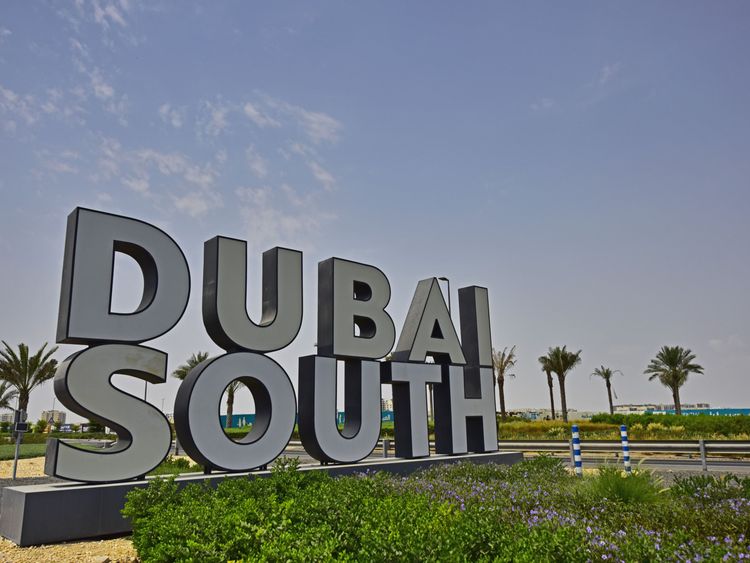
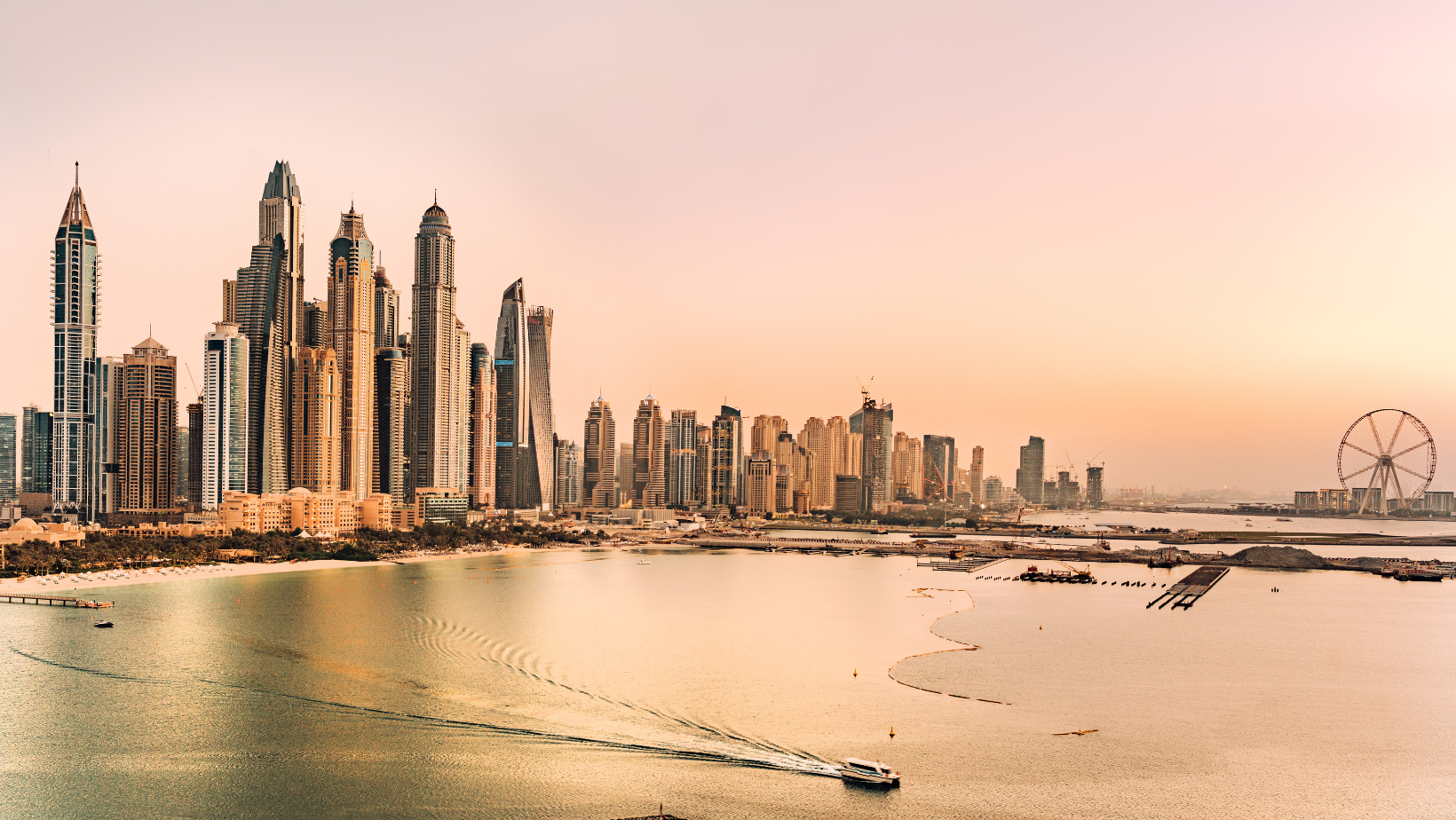
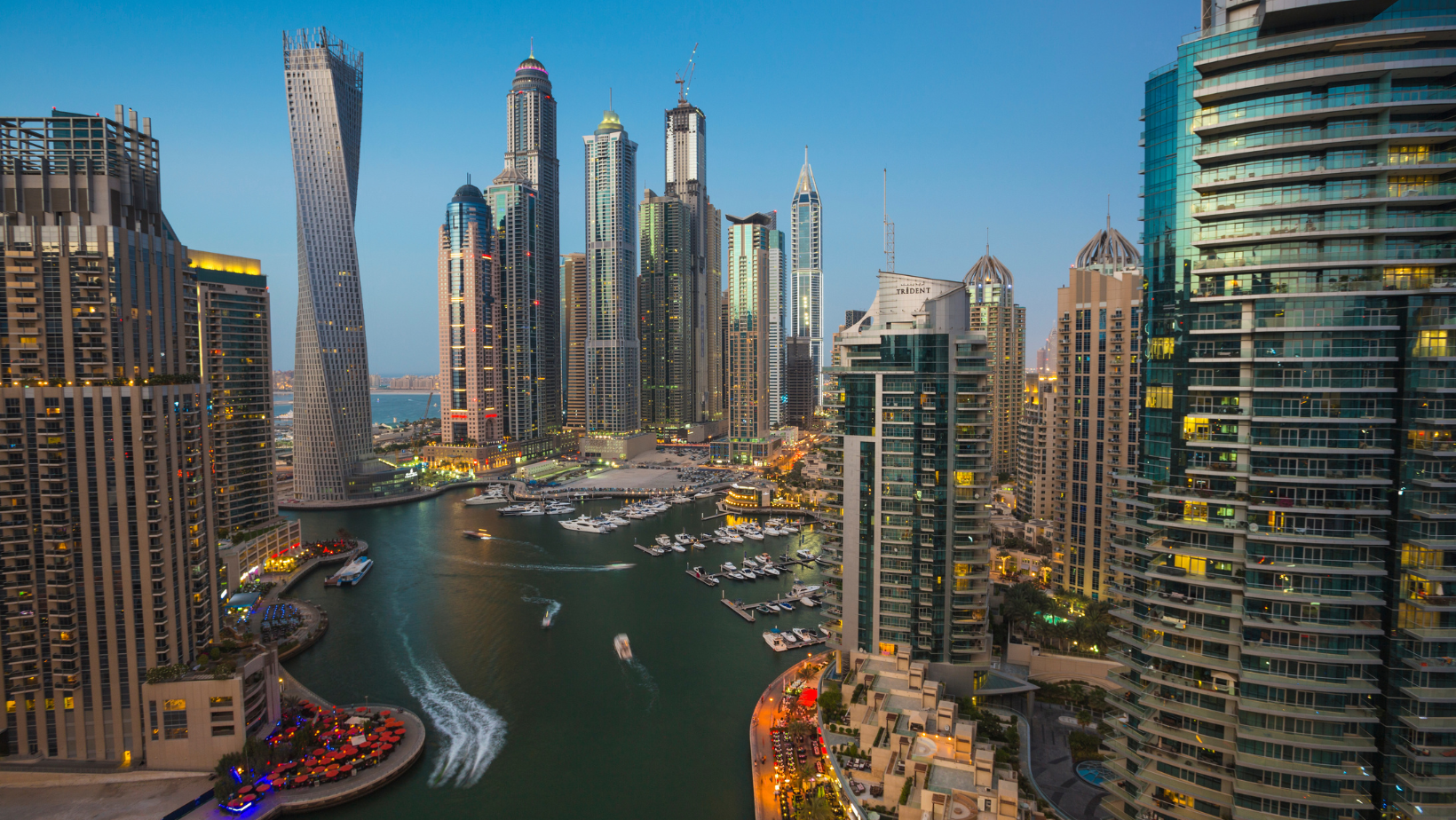
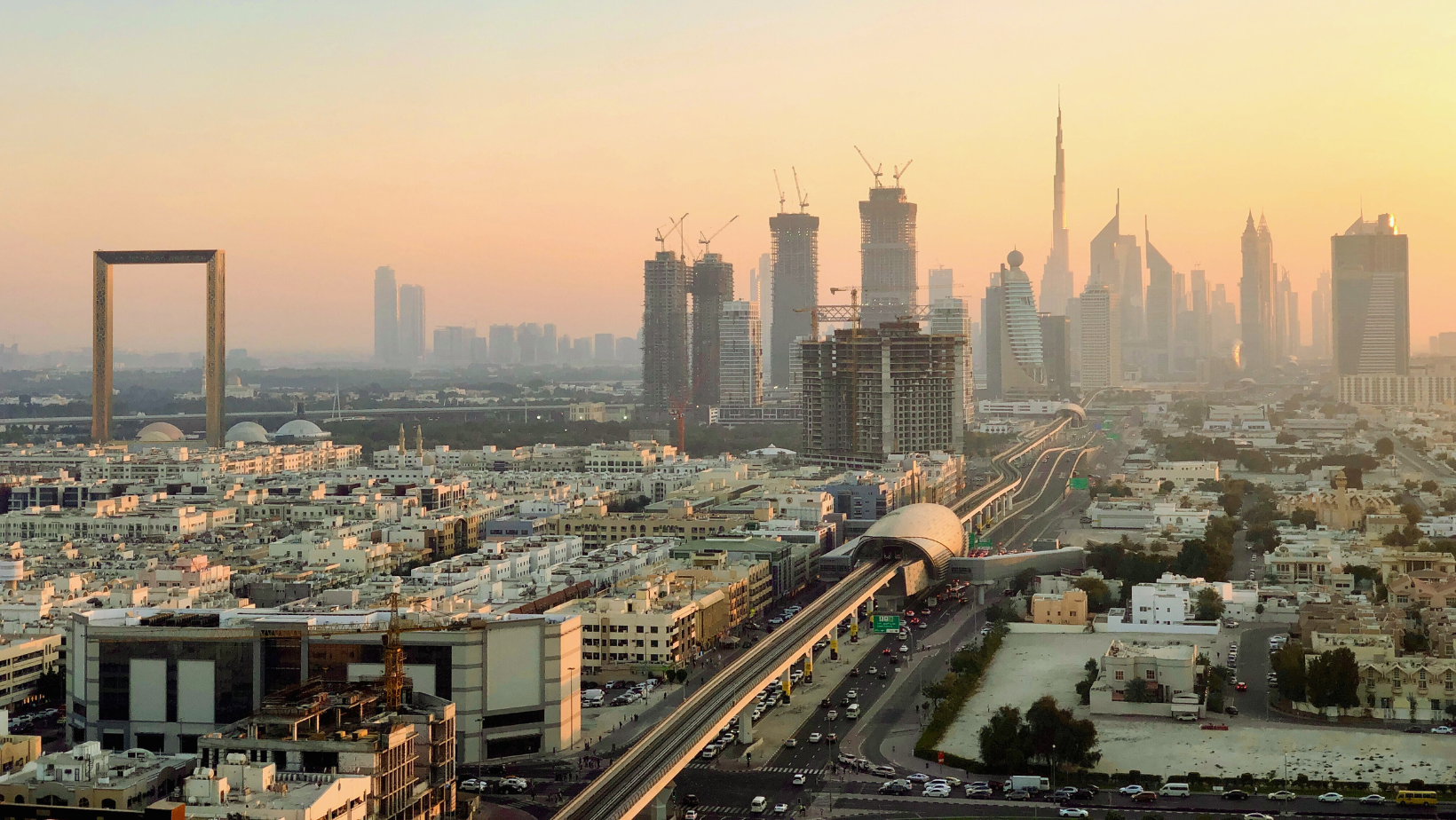
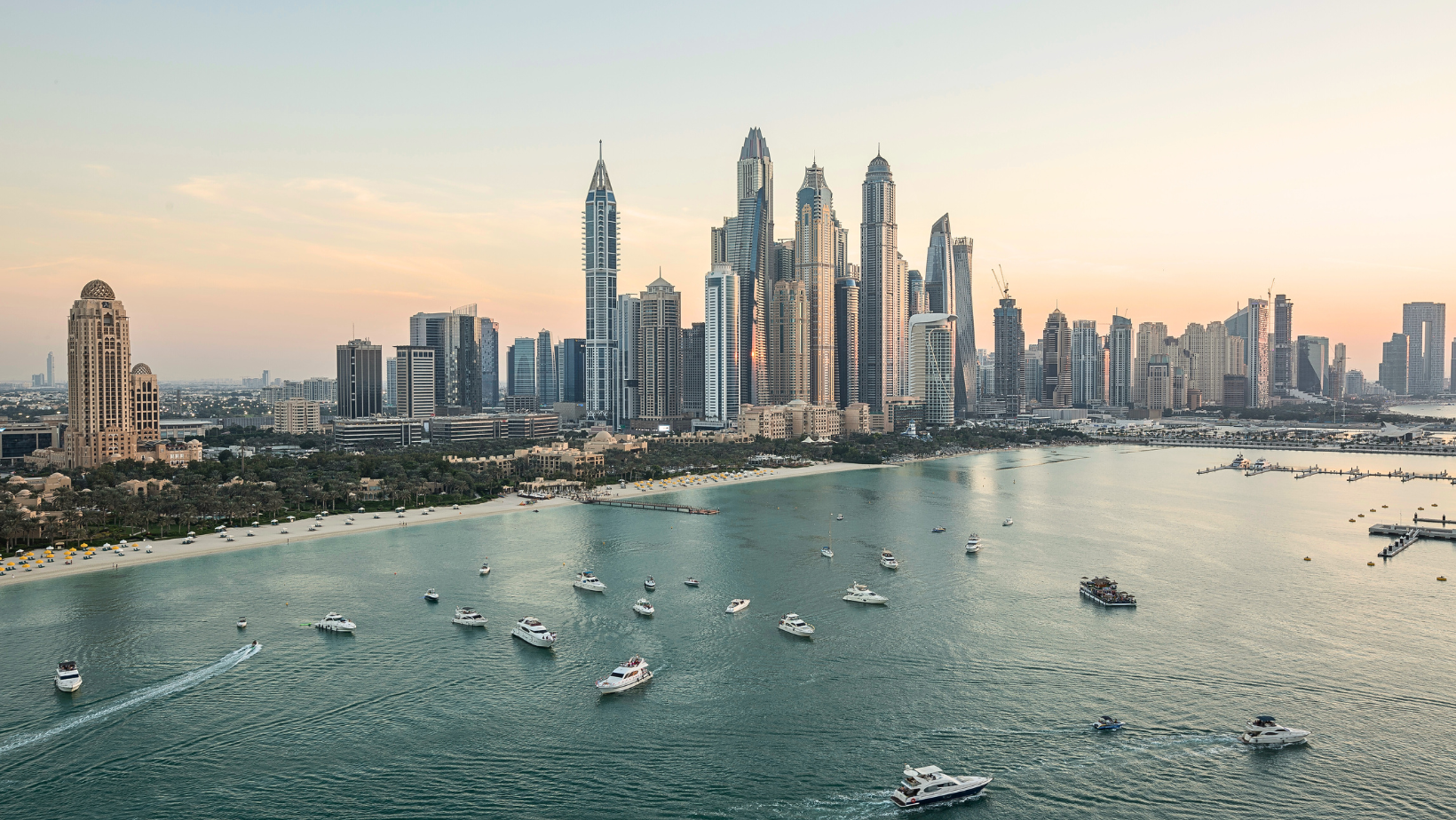
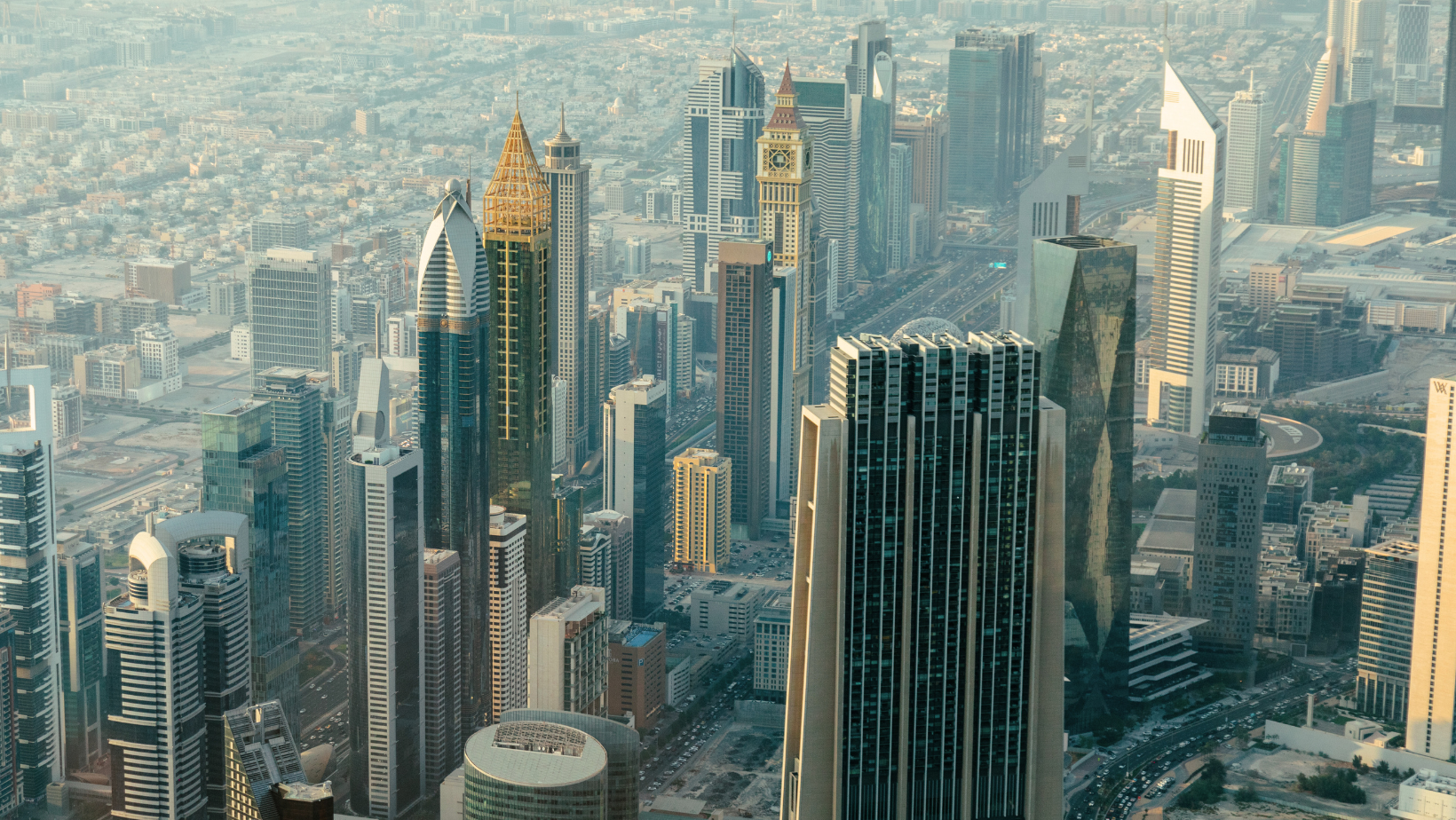
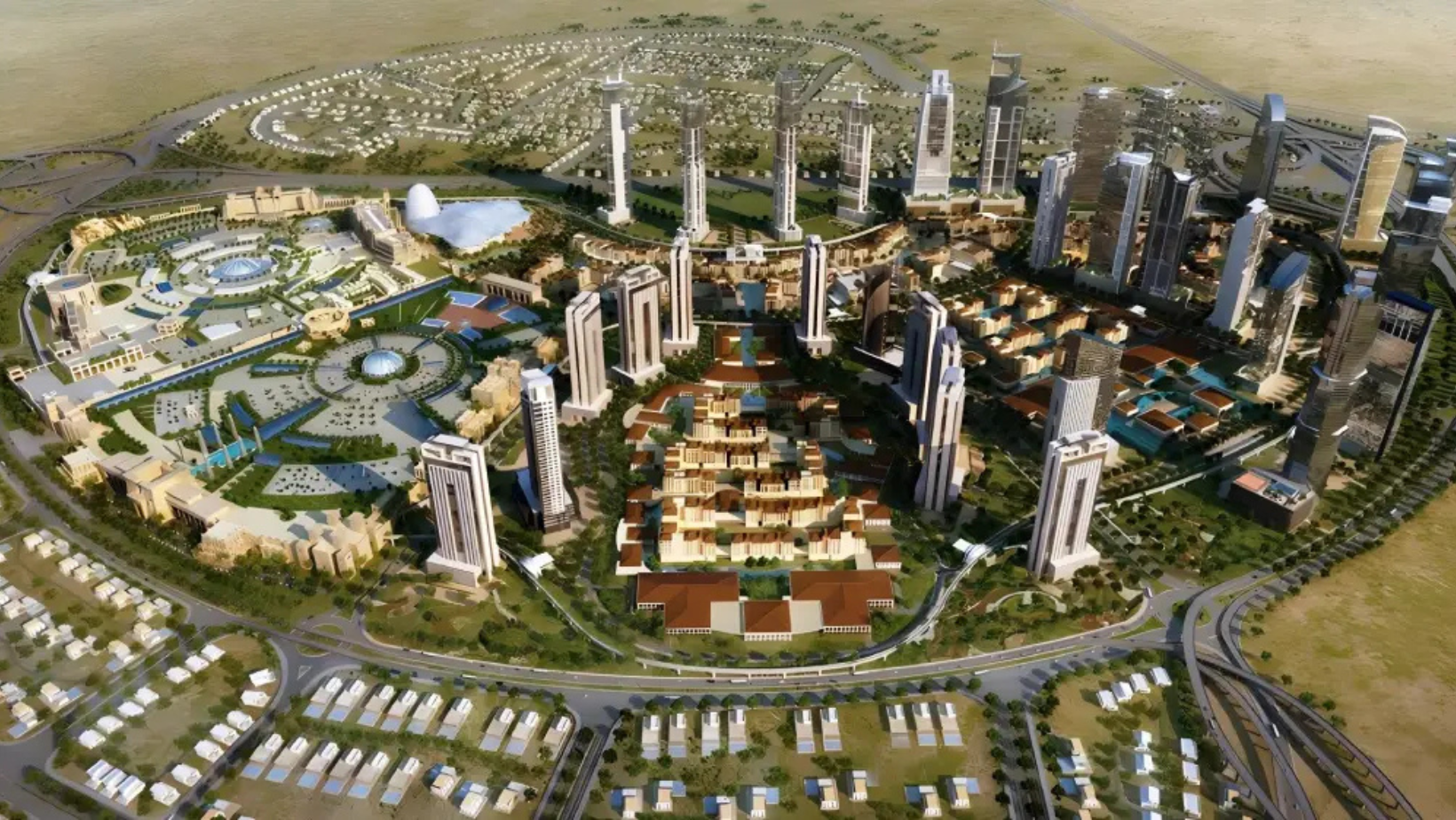
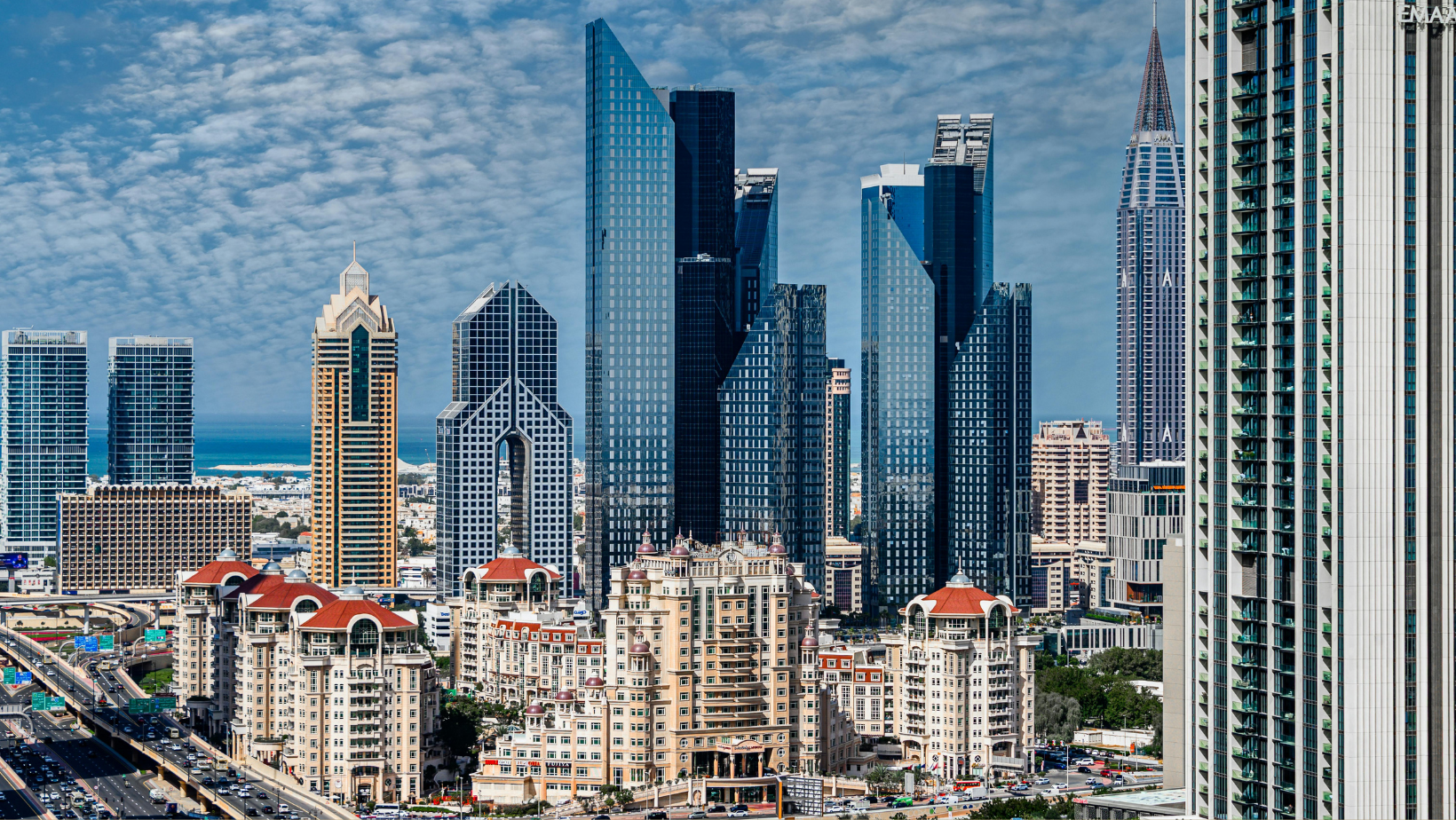
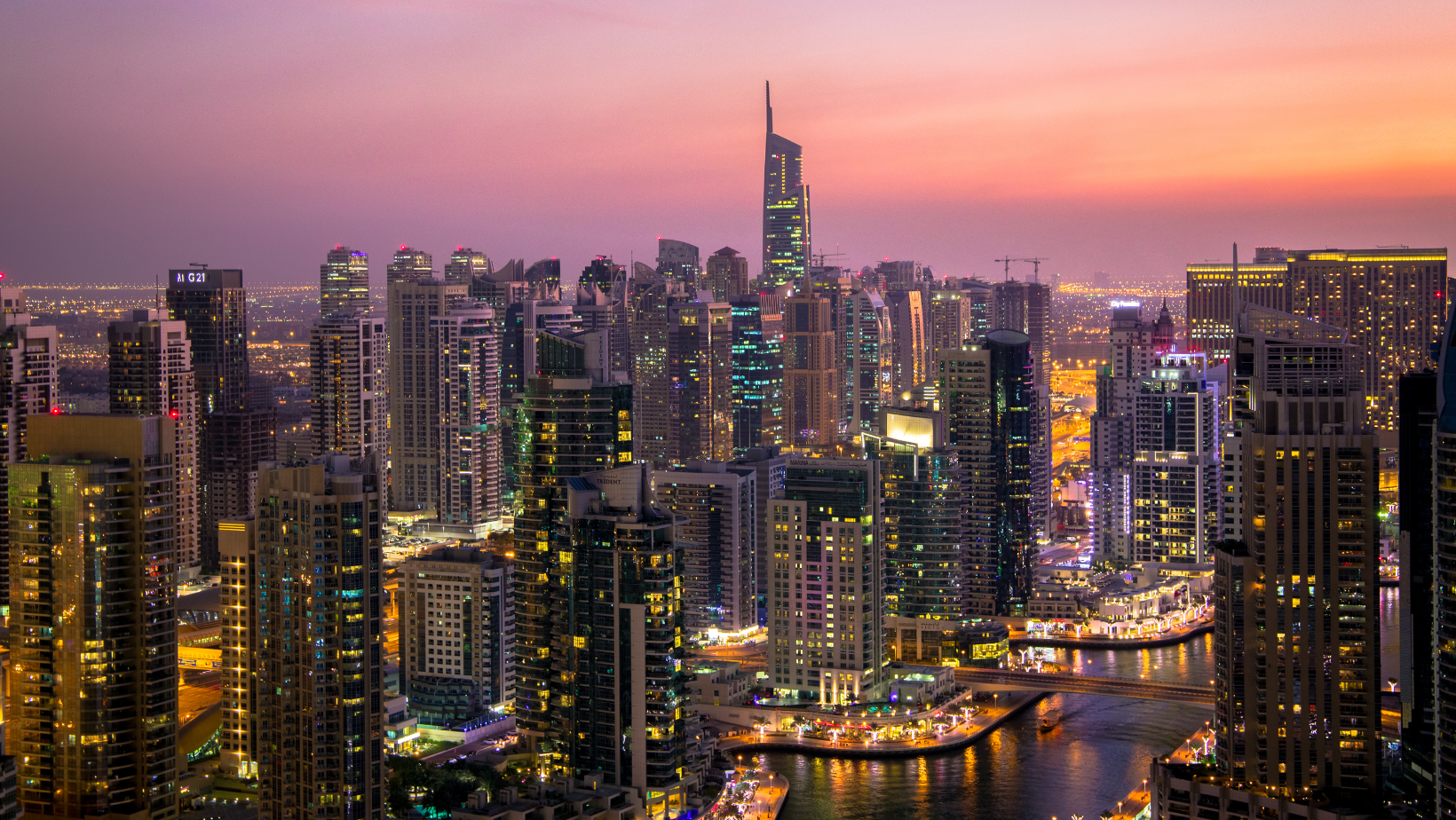
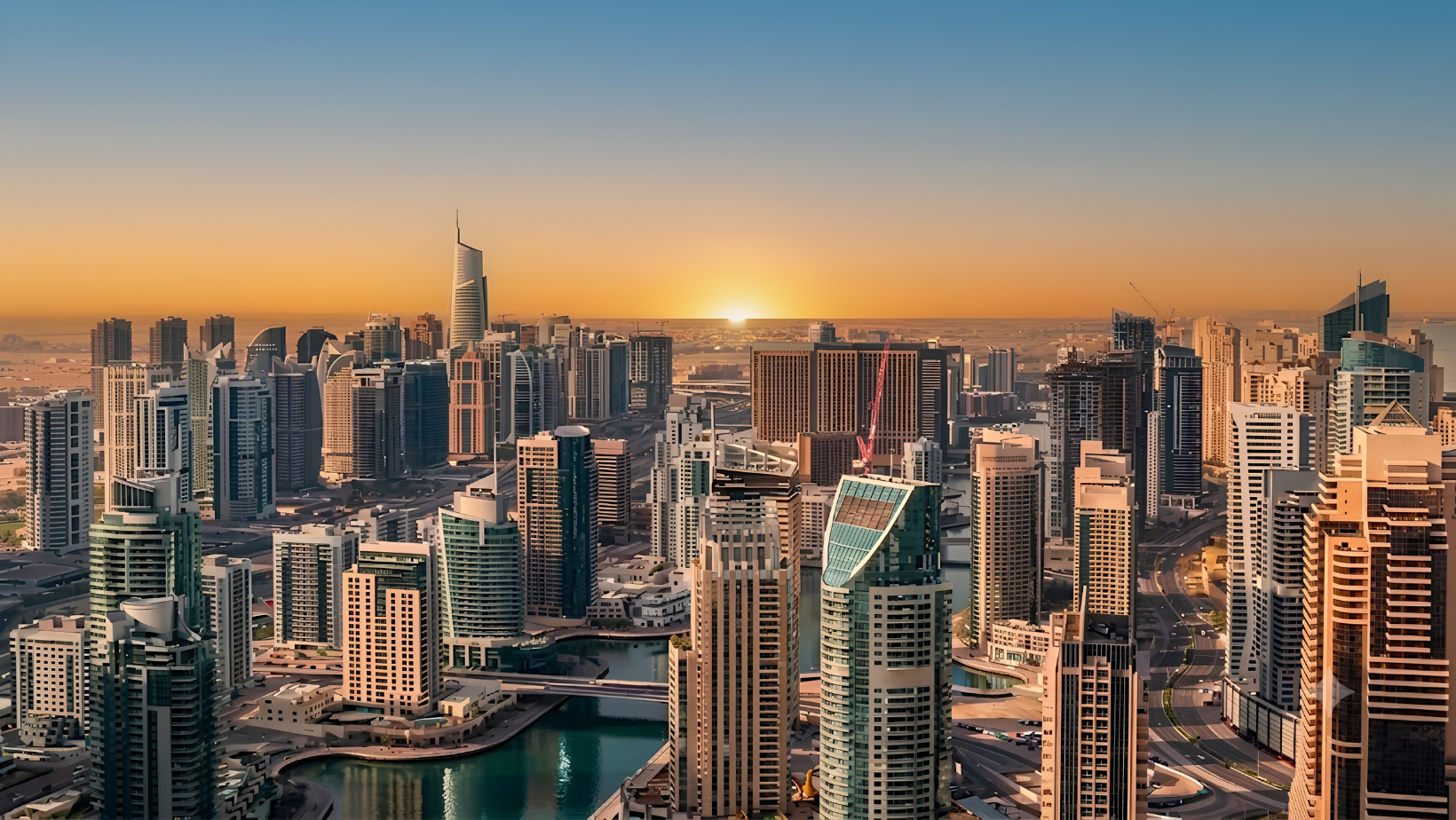
Most upcoming handovers are concentrated in areas such as JVC, MBR City, Dubai South, Dubailand communities, and Business Bay extensions. These locations are already known for higher-density apartment developments, and this is where buyers are most likely to feel increased choice. In these pockets, price growth may slow and negotiations may become easier, especially for mid-range apartments where several similar projects complete around the same time.
Villas Stay Competitive
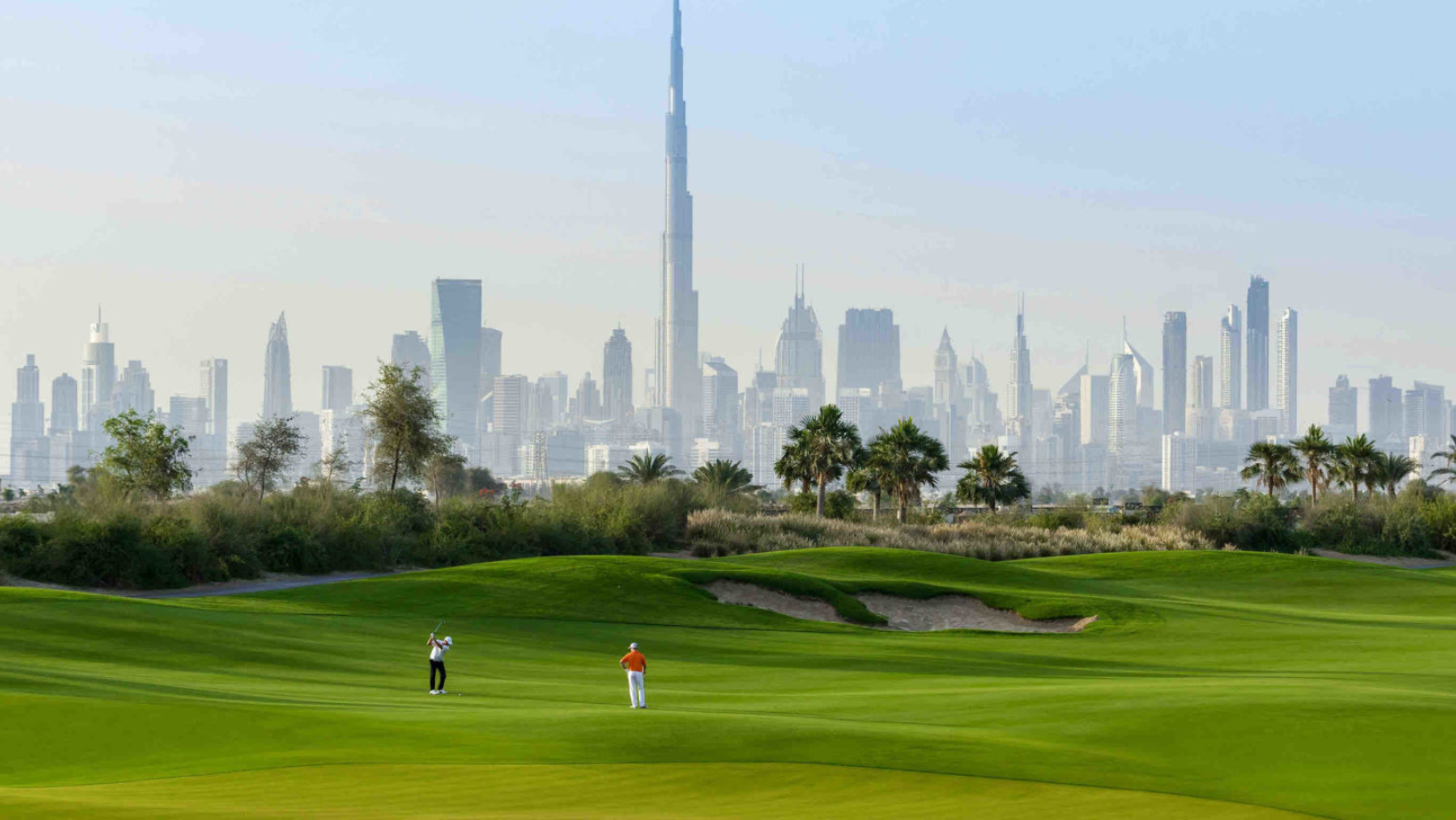
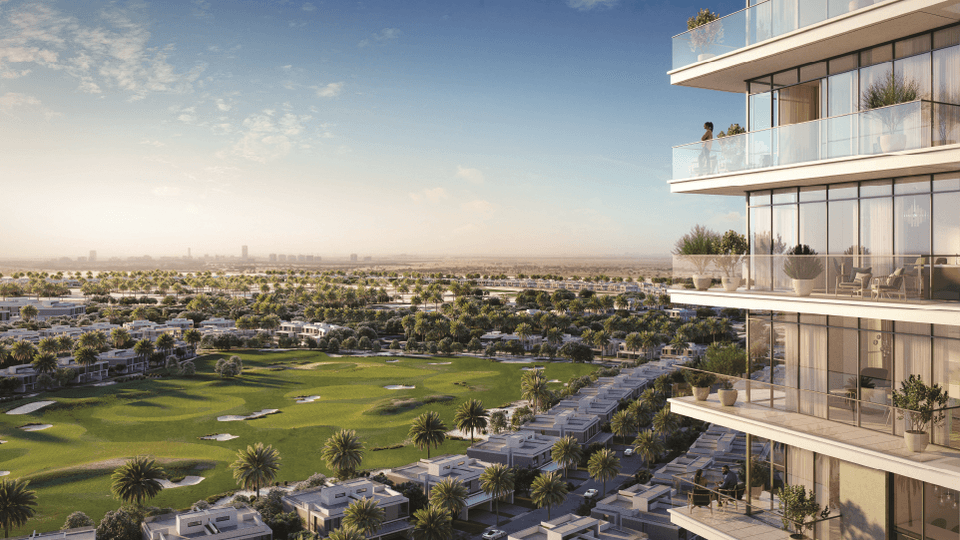
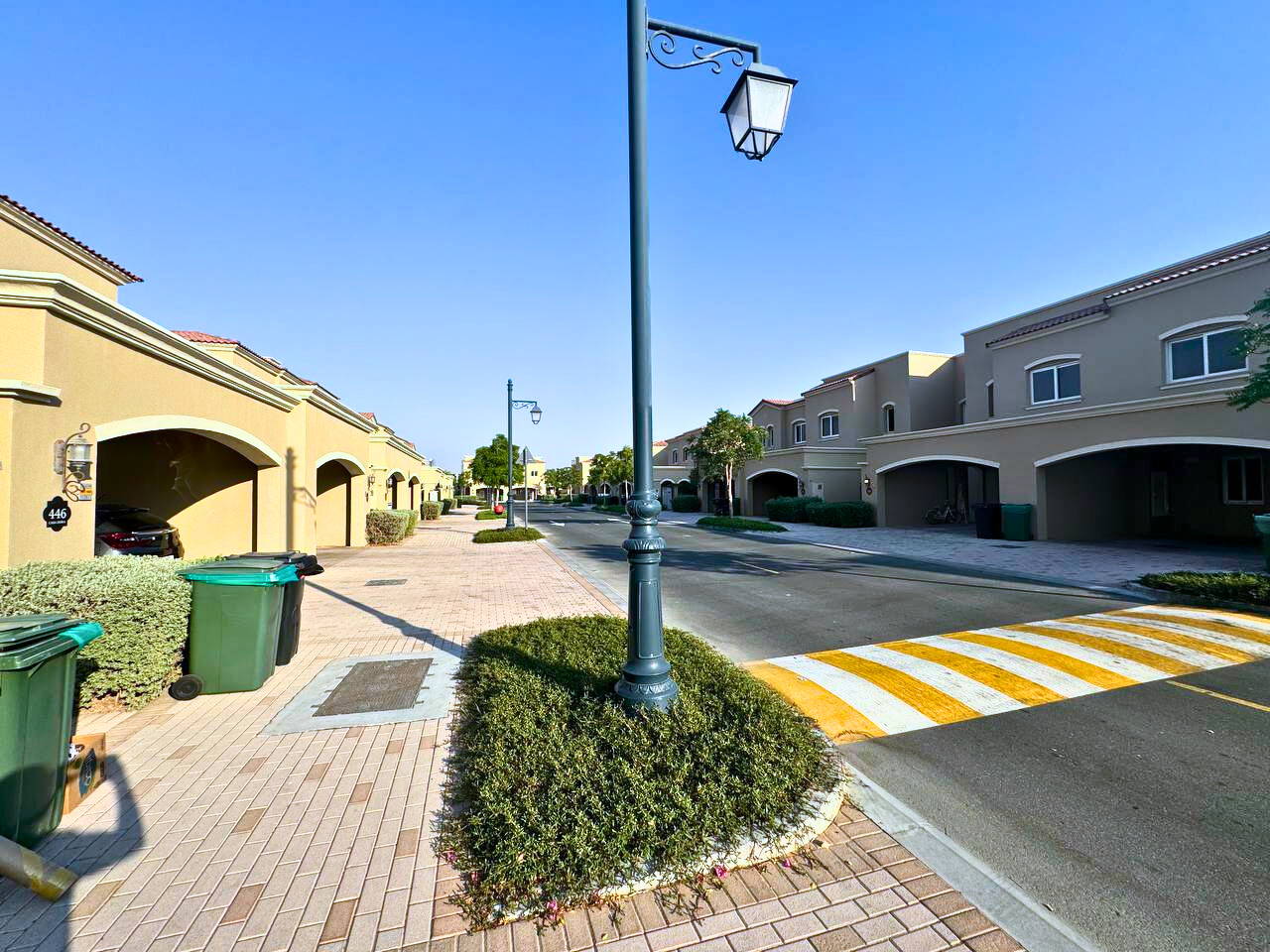
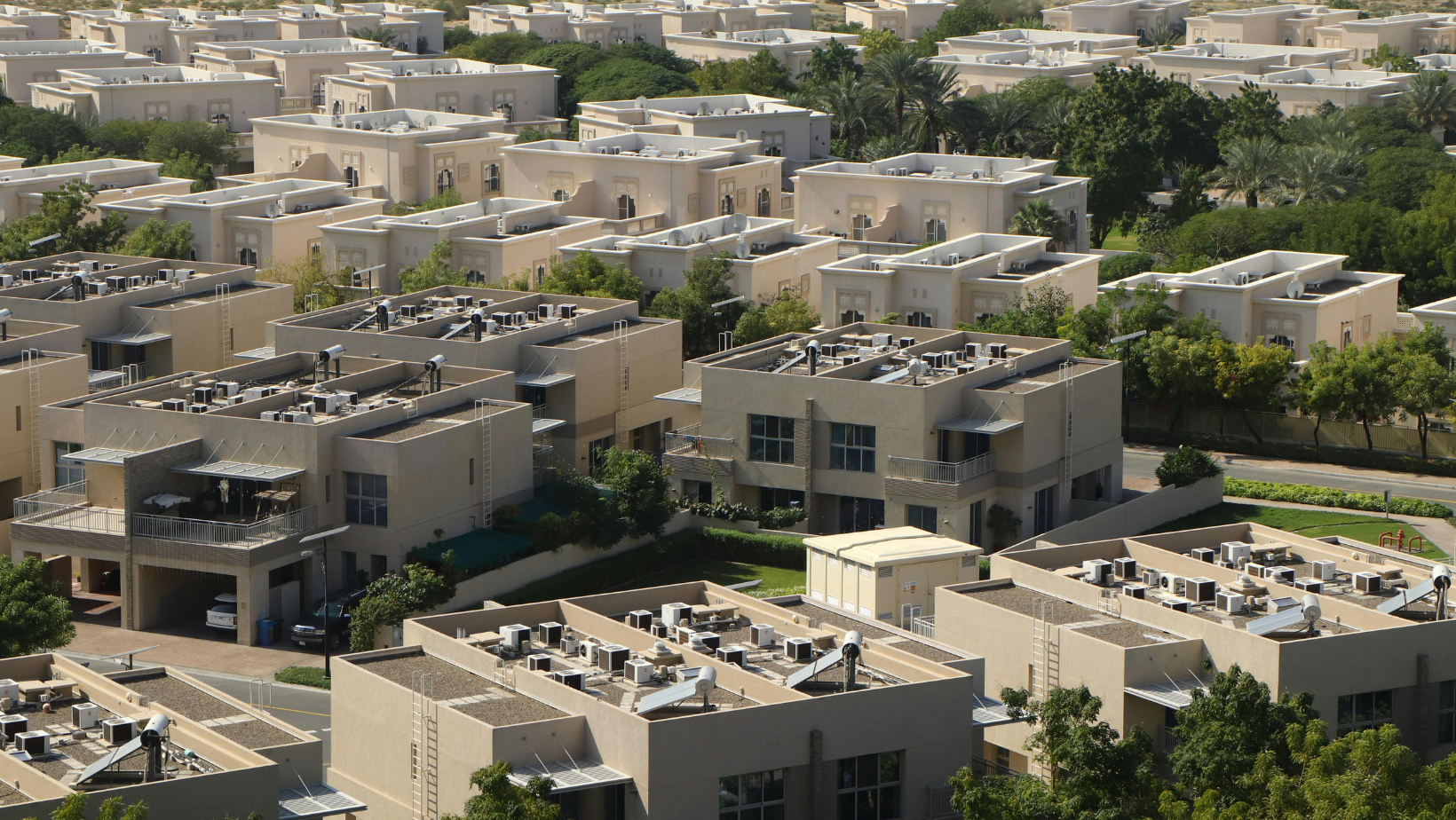
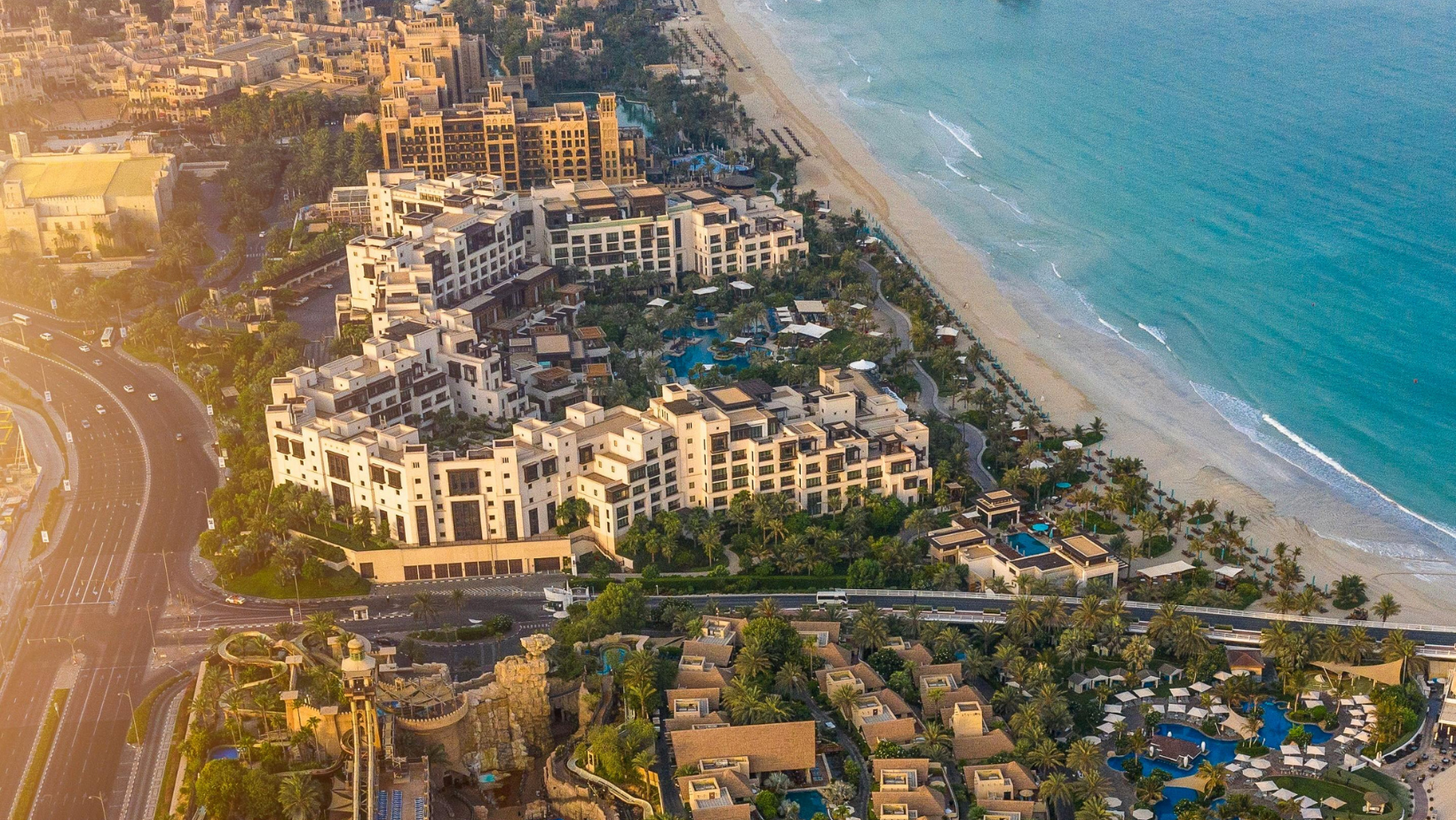
That said, this effect does not carry across the entire city. Villa communities tell a very different story. Established areas like Dubai Hills Estate, Arabian Ranches, and Jumeirah Park have limited land and far fewer new phases coming online. Demand from families looking for long-term homes remains strong, and supply remains constrained. As a result, villa prices are expected to stay relatively stable even as apartment supply increases elsewhere.
Why Resale Prices Don’t Drop
Another factor often overlooked is what happens after handover. A large share of new homes never reaches the resale market. Many owners continue with post-handover payment plans and choose to rent their units instead of selling. This keeps resale listings tight and prevents sudden price drops, even during high delivery periods.
Population Growth Keeps Demand Strong
Dubai’s population growth also plays a crucial role. With the city surpassing four million residents and continuing to attract new long-term residents, housing demand remains strong. New supply is being absorbed by a growing population rather than overwhelming the market.
Baytify Takeaway: Location Matters More Than Supply
From a Baytify perspective, 2026 is not shaping up to be a year of price correction, but a year of market differentiation. Some apartment-heavy locations will offer better entry points and more room to negotiate, while prime locations and villa communities remain competitive.
In Dubai, supply alone doesn’t move prices. Demand, absorption speed, and buyer behaviour do. And in 2026, knowing where to buy will matter far more than worrying about how much is being built.
Read more articles here.

Get updates straight to your inbox
Stay in the loop! subscribe for quick updates direct to your inbox. Act now!