Dubai Property Market 2026: What the Numbers Say
23 March 26
/Dubai
Global headlines are dominated by uncertainty. Travel disruptions, regional instability, and shifting economic confidence have prompted investors worldwide to reassess where their capital is best placed.
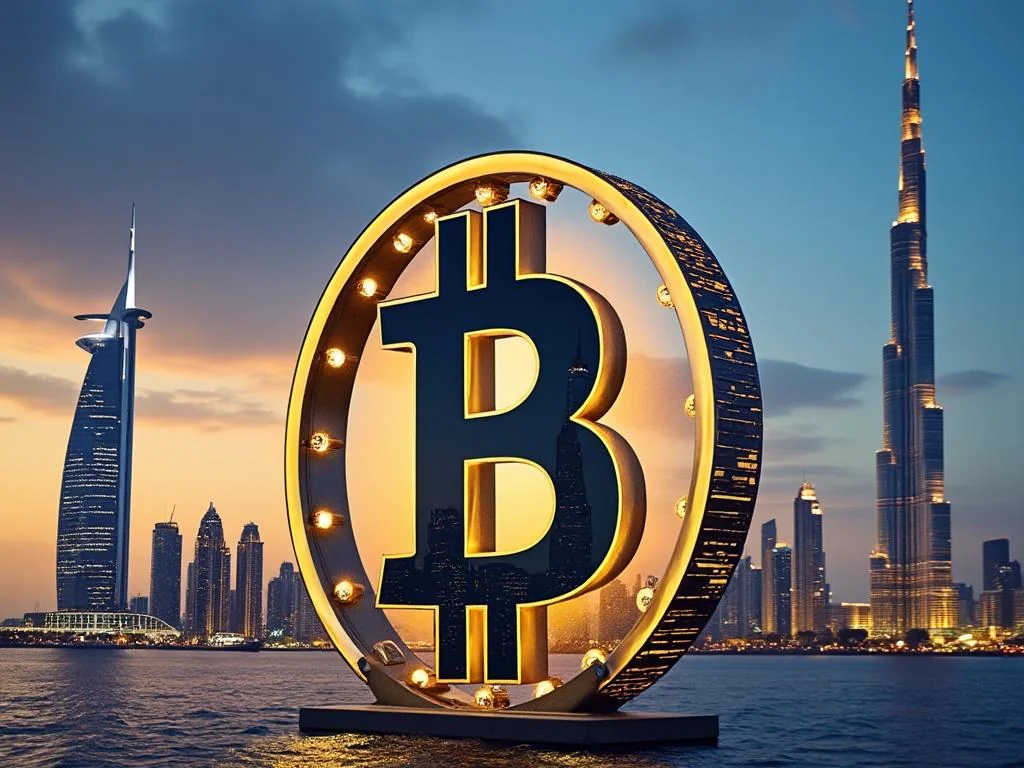
In Dubai, the answer appears consistent. Buyers are still transacting. Developers are still closing deals. And the numbers coming out of the market in early 2026 tell a more resilient story than the broader global mood might suggest.
The Transaction Numbers That Matter
Dubai's real estate sector recorded $2.9 billion in transactions last week alone, with 2,785 individual sales completed across the market — a figure that reflects genuine deal flow, not just headline activity.
Zooming out slightly, transactions worth AED 3.8 billion were recorded at the start of March 2026, with sales accounting for nearly AED 2.93 billion of that total. For a market operating during a period of heightened global uncertainty, these are not the numbers of a market in retreat.
They are the numbers of a market recalibrating — while continuing to move.
What the Luxury Segment Is Signalling
Beyond the volume numbers, the composition of transactions tells its own story.
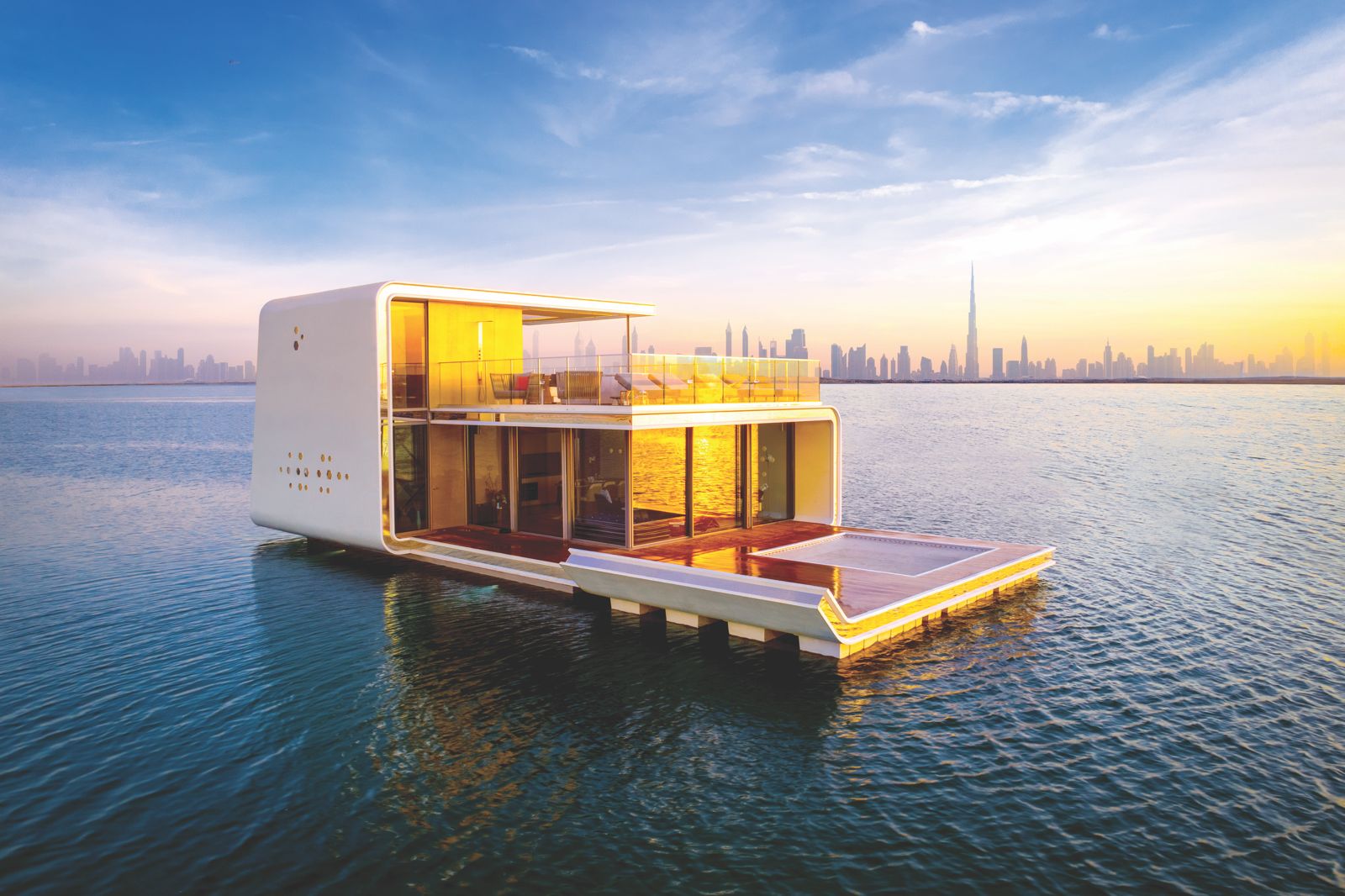
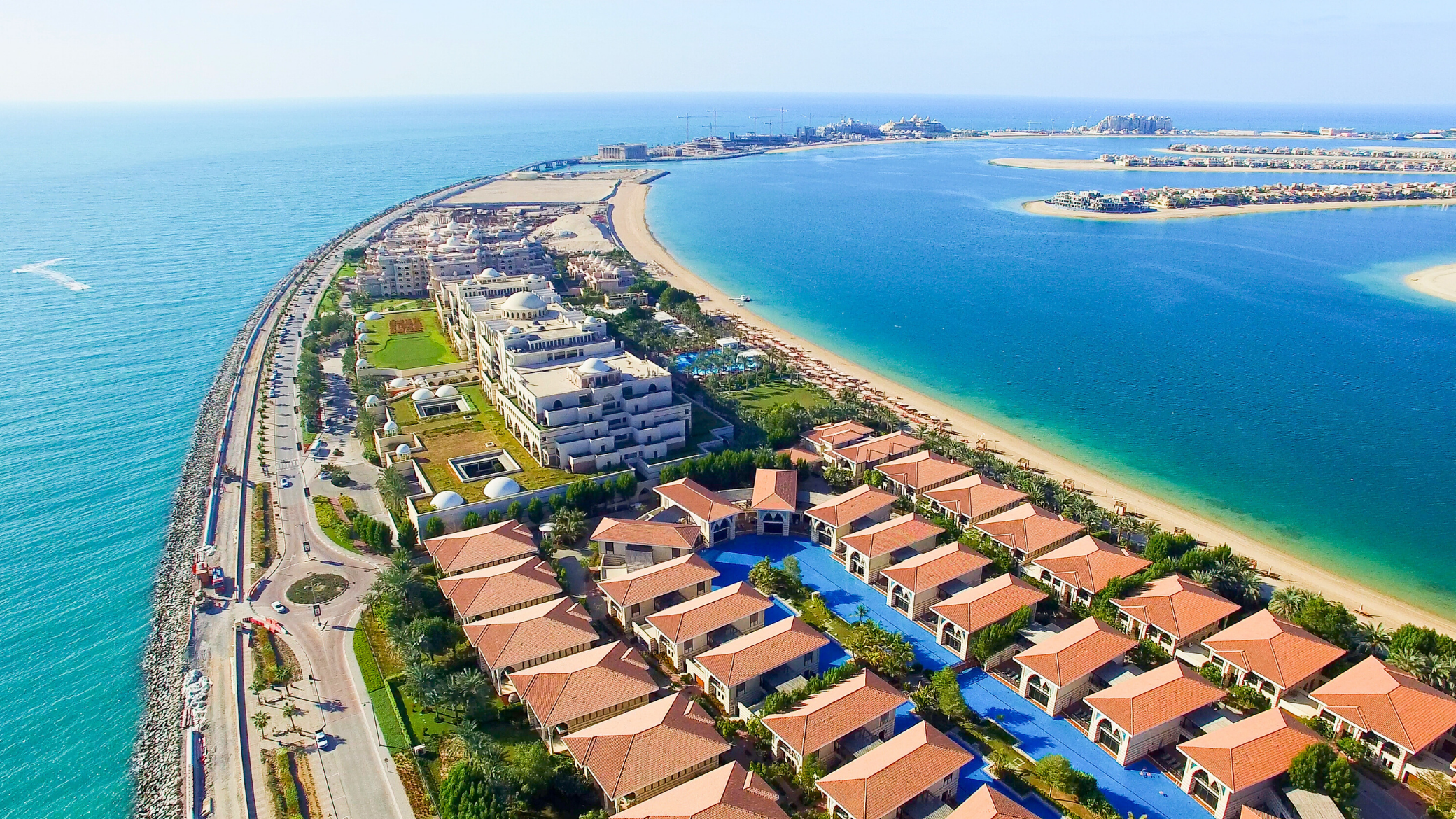
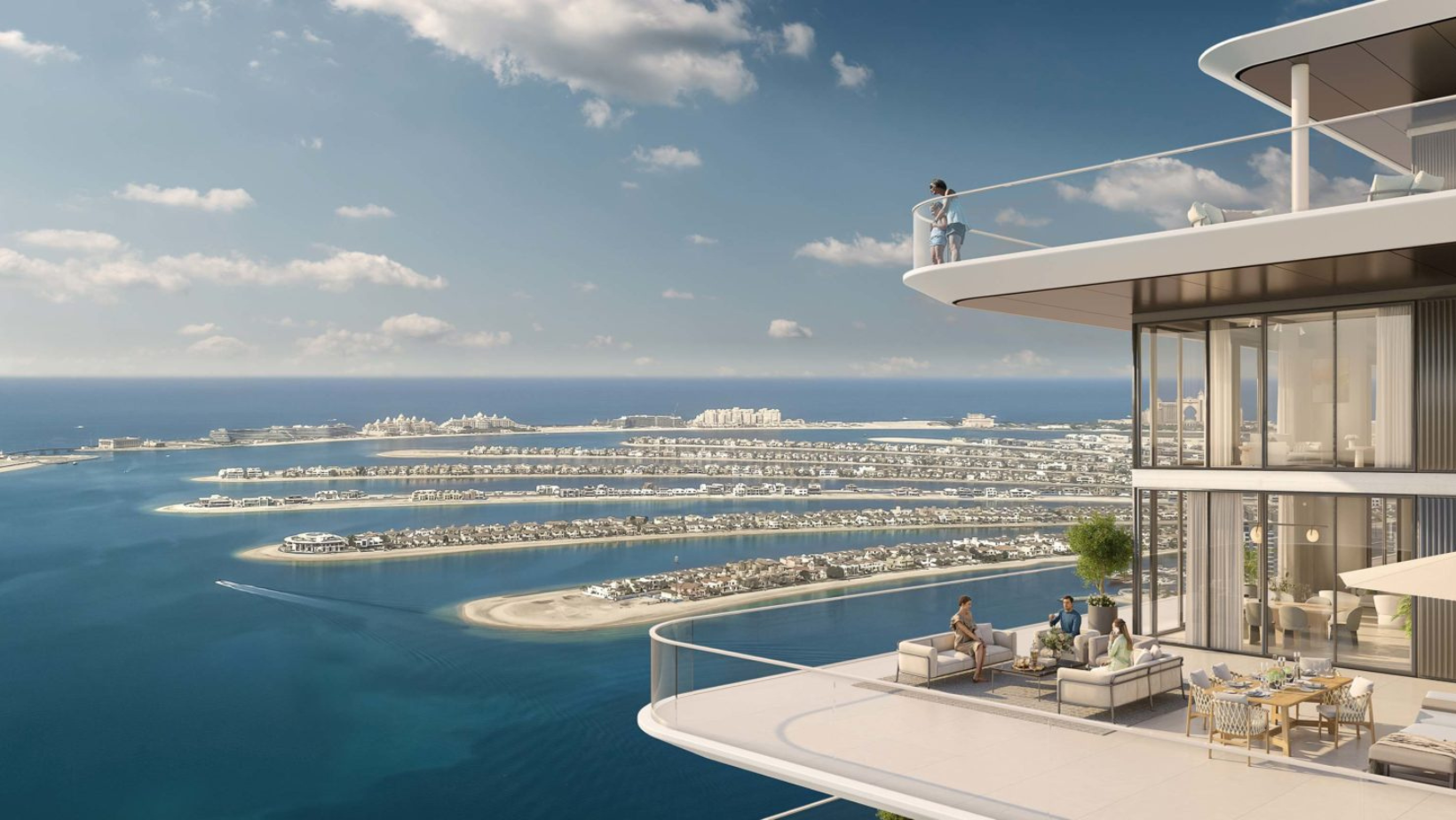
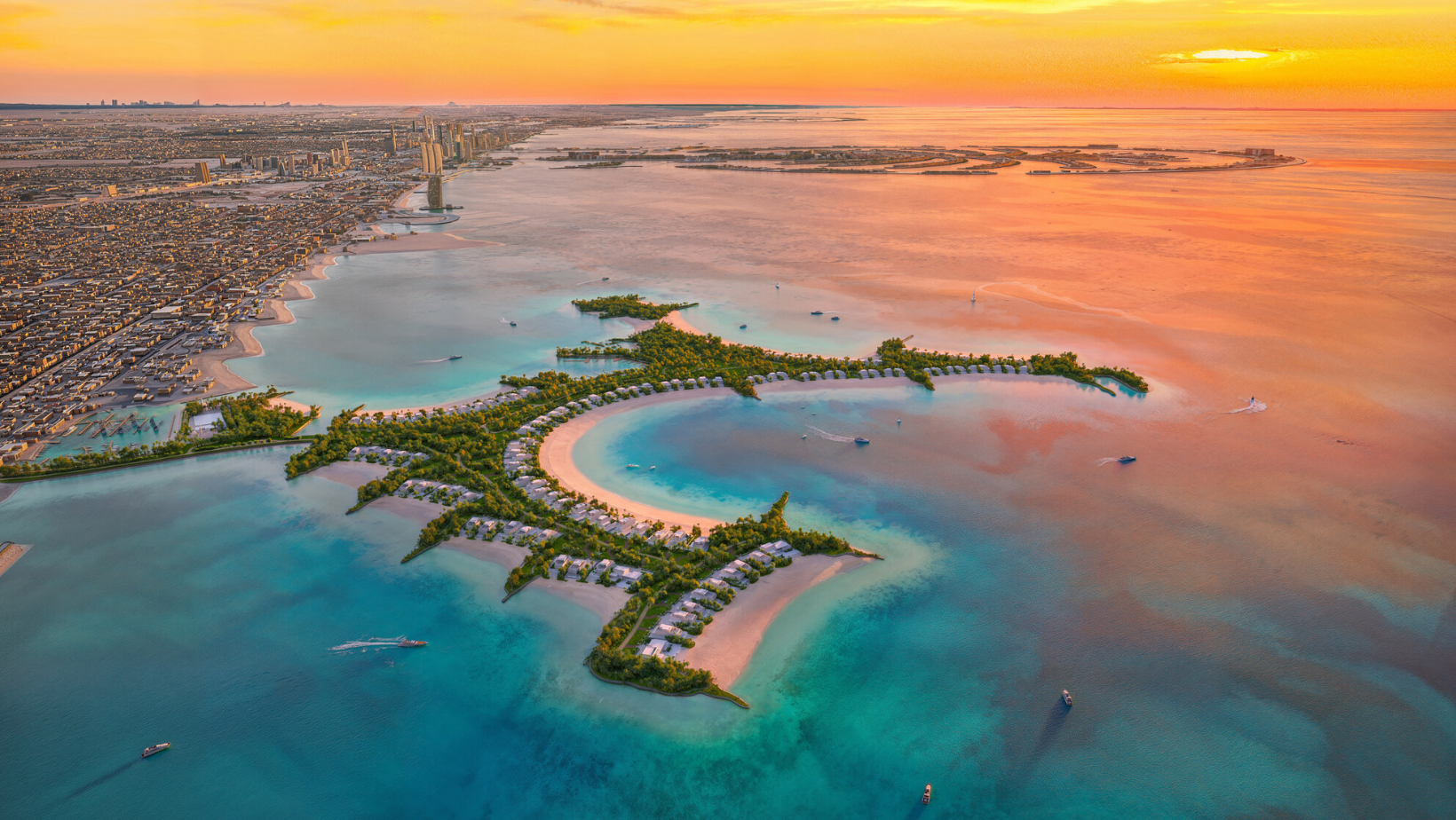
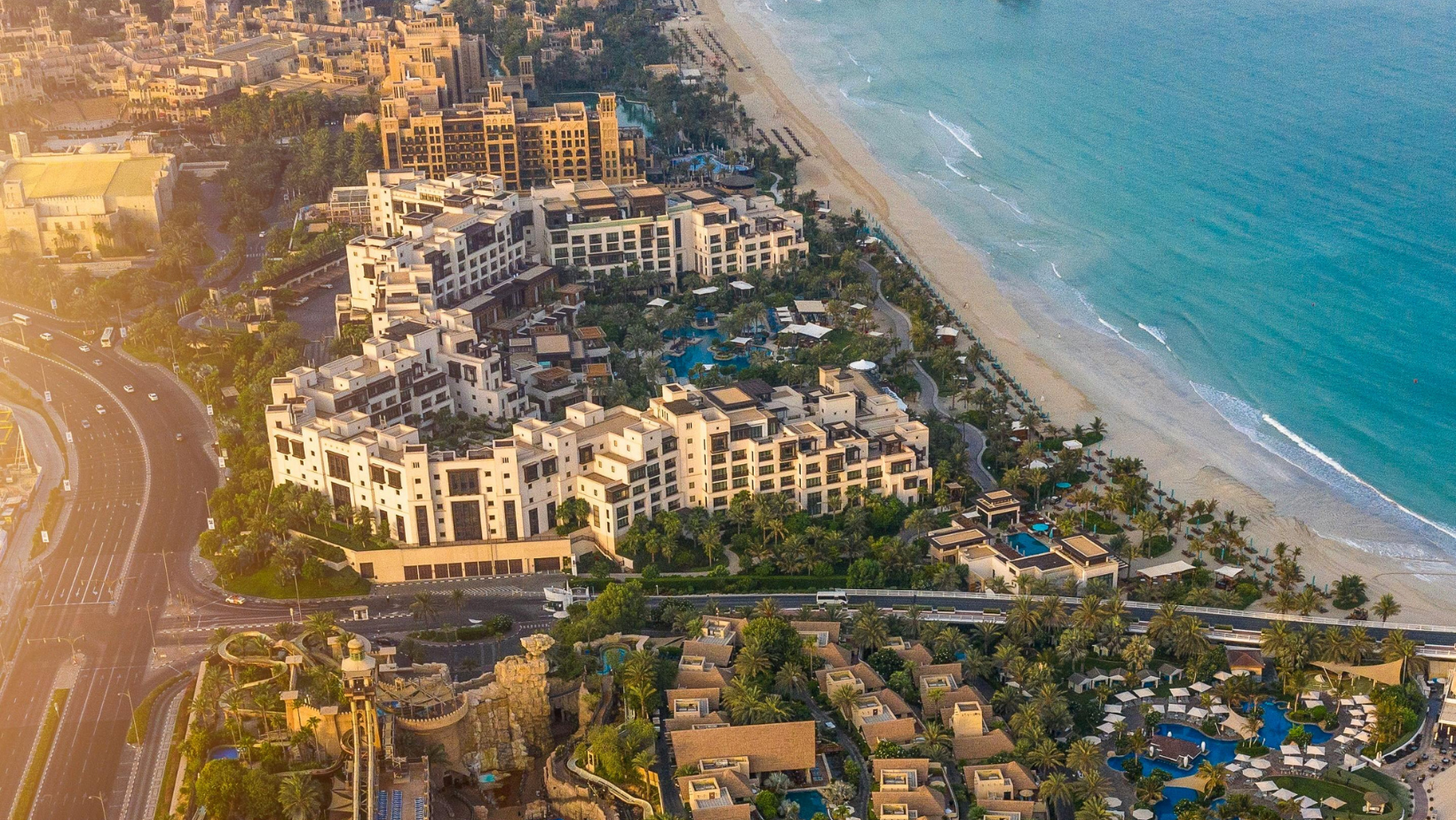
A AED 220 million villa sale on the World Islands was recorded in recent weeks — a transaction that does not happen in a market where high-net-worth confidence has evaporated. At the other end of the prime spectrum, a $13 million home in Jumeirah changed hands, reinforcing that appetite across the luxury segment remains intact.
Ultra-prime buyers do not transact out of urgency. They transact out of conviction. When capital at this scale continues to target Dubai assets, it signals something more durable than short-term sentiment.
Why Global Instability Is Redirecting Capital Into Dubai
Context matters here. Much of the world is navigating a difficult period. Travel disruptions across multiple regions, geopolitical tensions, and questions around economic stability in key markets have investors looking for assets in locations that offer stability, transparency, and long-term demand fundamentals.
Dubai fits that profile in ways that very few global cities can match right now.
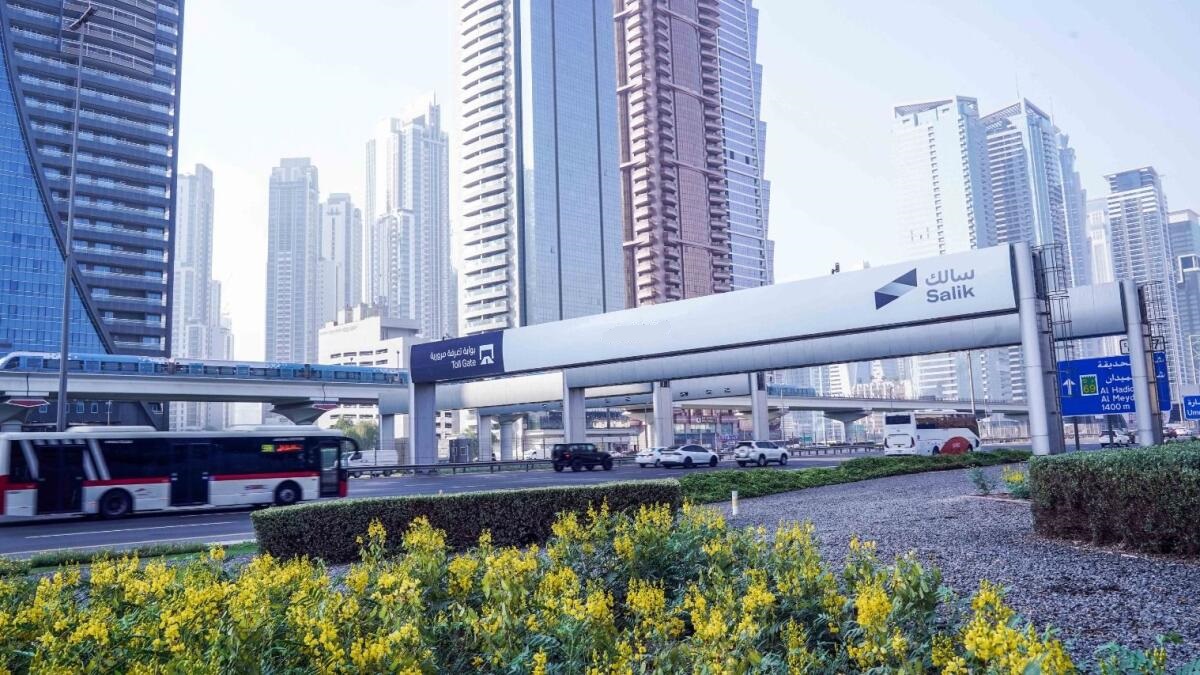
The UAE's political stability, business-friendly regulatory environment, zero income tax structure, and continued infrastructure investment make it a consistent destination for capital seeking a safe and growth-oriented home. While other markets contract under pressure, Dubai has historically absorbed global uncertainty and, in many cases, benefited from it — as international buyers accelerate their decision-making when alternatives look less attractive.
What This Means for Buyers Right Now
The current market phase is what experienced investors recognise as a window.
Caution has entered conversations. Some buyers are taking longer to commit. Developers are adjusting strategies to maintain transaction momentum. In practical terms, this means buyers have more room to negotiate, more time to evaluate, and more developer incentives available than they did during peak market frenzy.
This environment does not last indefinitely. When global sentiment stabilises and confidence returns more broadly, that window closes — and the buyers who moved during the quieter phase will be the ones who secured the better entry points.
For end-users, the logic is simpler still. If the property meets your requirements and the numbers work, a period of market caution is not a reason to delay. It is often a reason to move.
What This Means for Sellers
For sellers, the data carries a clear message: Dubai's market has not softened in any fundamental sense.
Demand is intact. Prime assets are still commanding strong prices — as the World Islands and Jumeirah transactions confirm. What has shifted is buyer pace, not buyer intent.
In this environment, presentation, pricing accuracy, and professional representation matter more than ever. Properties that are well-presented, realistically priced, and actively marketed continue to transact. Properties that are overpriced relative to comparable listings will sit — not because the market is weak, but because buyers in a measured market have more choice and less urgency.
Sellers who understand this distinction will price strategically, present professionally, and close successfully.
A Measured Market Is Not a Weak Market
The narrative around Dubai real estate in early 2026 is one of measured momentum — not decline.
Billions of dirhams are transacting weekly. Luxury buyers are committing at the highest levels. International capital continues to flow in. And the structural fundamentals — population growth, business expansion, tourism, and infrastructure development — that have driven Dubai's real estate story remain firmly in place.
For buyers and investors, the question is not whether Dubai remains a viable market. The data answers that clearly. The question is whether you are positioned to act while the conditions are still in your favour.
Read more articles here.
We’re here to help
Contact our dedicated team for any assistance you may need.
Get updates straight to your inbox
Stay in the loop! subscribe for quick updates direct to your inbox. Act now!