The 2026 Dubai Real Estate Investor Playbook
13 July 26
/Dubai

For global property investors, Dubai remains one of the most lucrative mature markets in the world. However, as the market matures into a highly sustainable stabilization phase, maximizing your returns requires shifting away from generic assumptions.
If you are asking yourself, "is it a good time to buy property in Dubai?", the short answer is yes—but where and what you buy matters more than ever.
Data shows a stark difference between absolute property appreciation and cash-flow efficiency. To secure the highest ROI properties Dubai has to offer, you must look closely at localized rental yields. Let's break down the data, the costs, and the top-performing neighborhoods.
The Reality of Dubai Rental Yields
A common misconception is that every luxury tower on the coast guarantees double-digit returns. The reality of the market reveals a distinct yield curve:
- Citywide Gross Average: Consistent at 5.5% – 7%
- Affordable & Mid-Market Apartments: Outperforming at 7% – 9%
- Prime Luxury Communities: Moderating at 4% – 6%
Because smaller units (studios and 1-bedroom layouts) feature a much tighter rent-to-price ratio, they consistently beat larger luxury family villas by 1% to 2% in pure yield efficiency. While luxury assets in elite communities excel at long-term wealth preservation and massive capital appreciation, affordable entry points generate the strongest monthly cash flow.
The Best Rental Yield Areas in Dubai
Based on transactional velocity and tenant demand, these communities represent the sweet spot for investment returns.
1. Jumeirah Village Circle (JVC)
Average Gross Yield: 7% – 8%
The Breakdown: Jumeirah Village Circle apartments for sale are a cornerstone of modern rental portfolios. JVC benefits from an immense, young professional tenant base looking for mid-market pricing close to major hubs. It provides the ultimate market balance of high rental income and strong secondary market exit liquidity.
2. Dubai Silicon Oasis (DSO)
Average Gross Yield: 7% – 8.5%
The Breakdown: As a dedicated tech and corporate ecosystem, DSO maintains incredibly high occupancy rates. Lower initial entry costs allow investors to secure exceptional yields, particularly on studio and 1-bedroom floor plans.
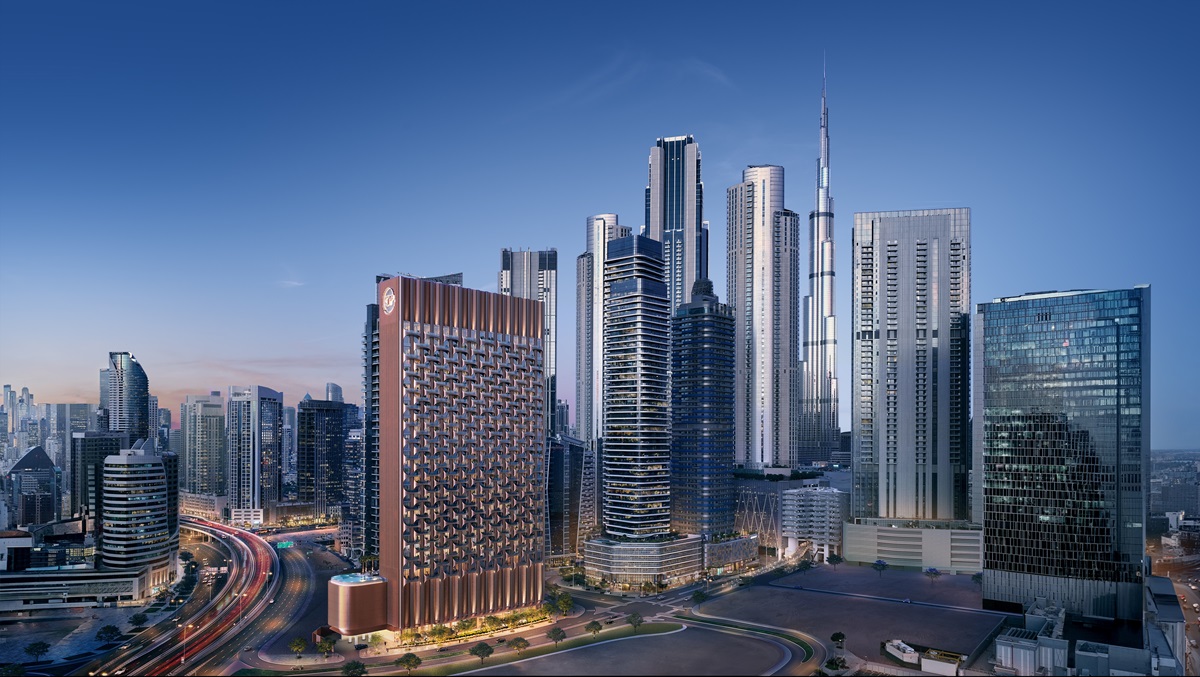
3. Business Bay
Average Gross Yield: 5.5% – 7%
The Breakdown: Straddling the line between corporate infrastructure and high-end residential lifestyle, Business Bay offers immense stability. While higher property valuations slightly suppress net yields compared to suburban hubs, it compensates with rapid tenant turnover and premium short-term rental opportunities.
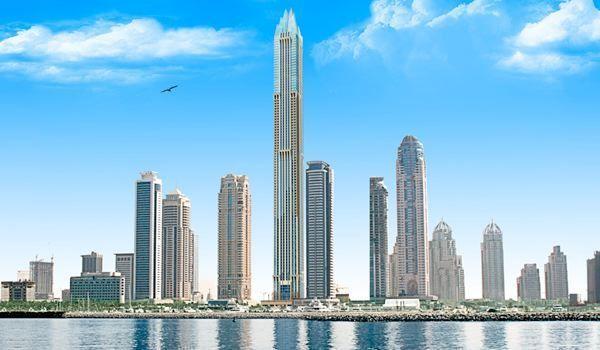
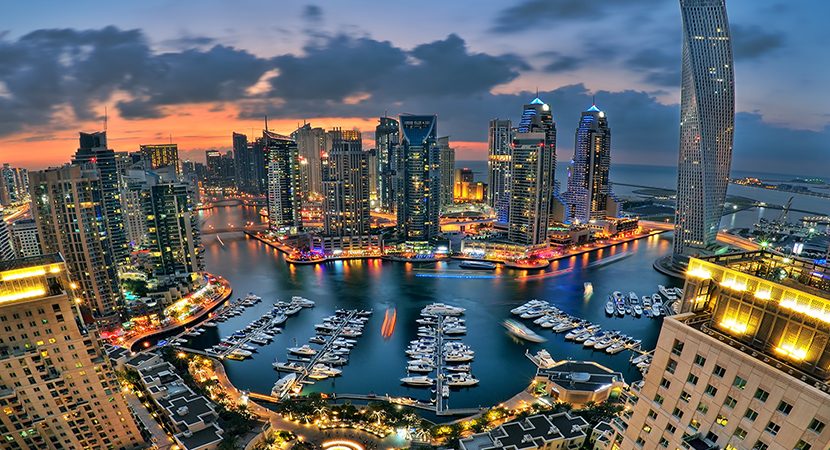
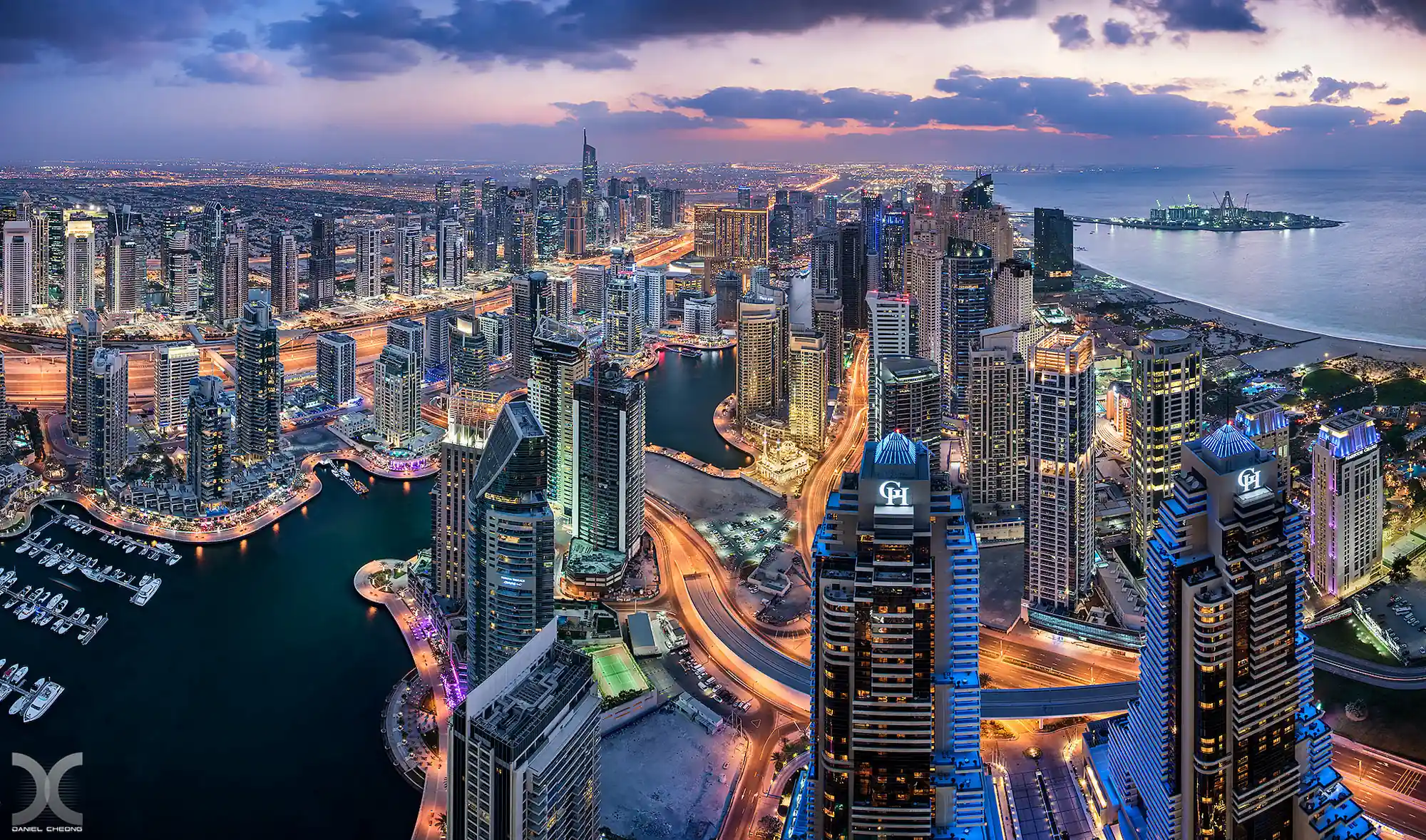
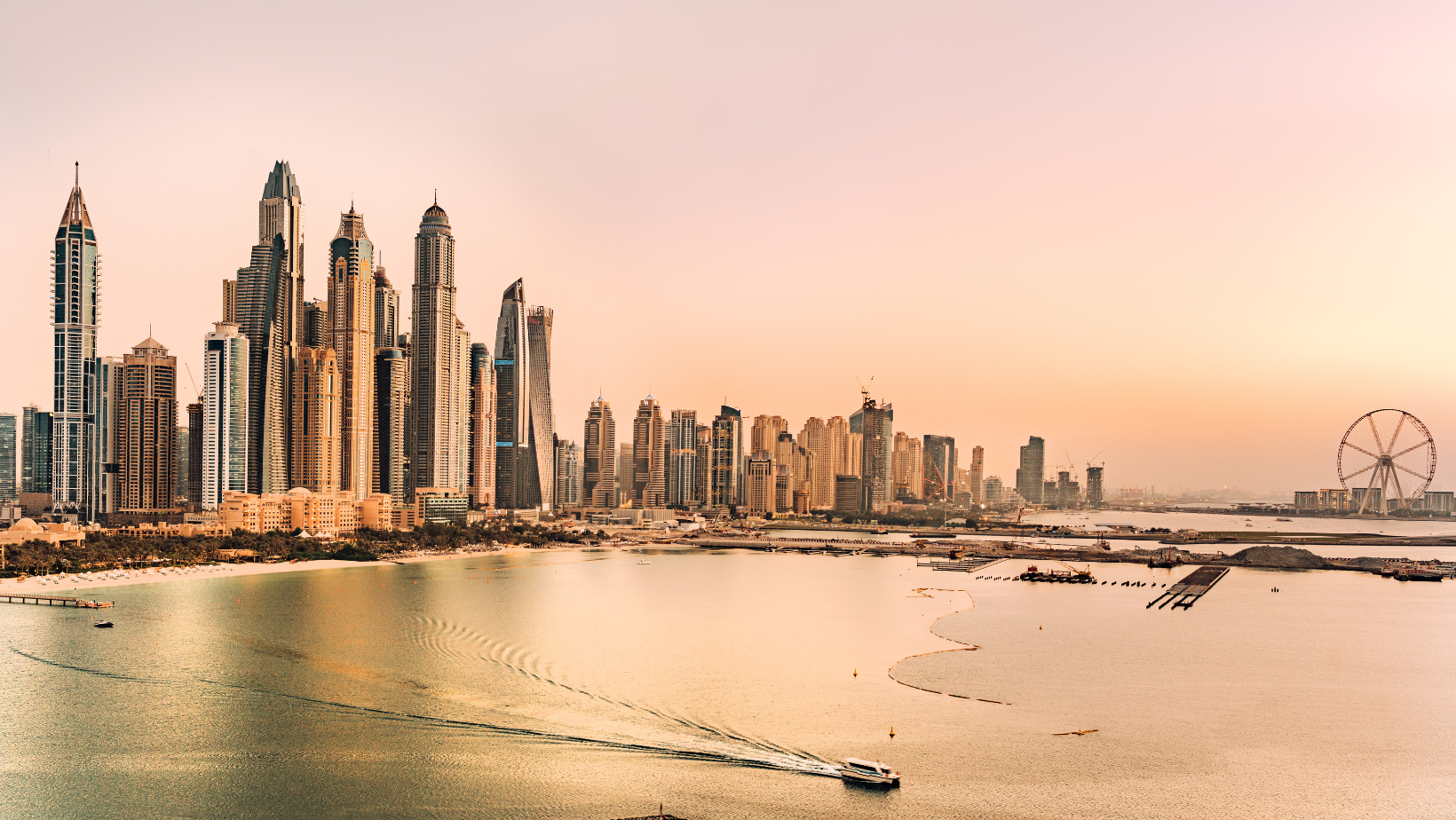
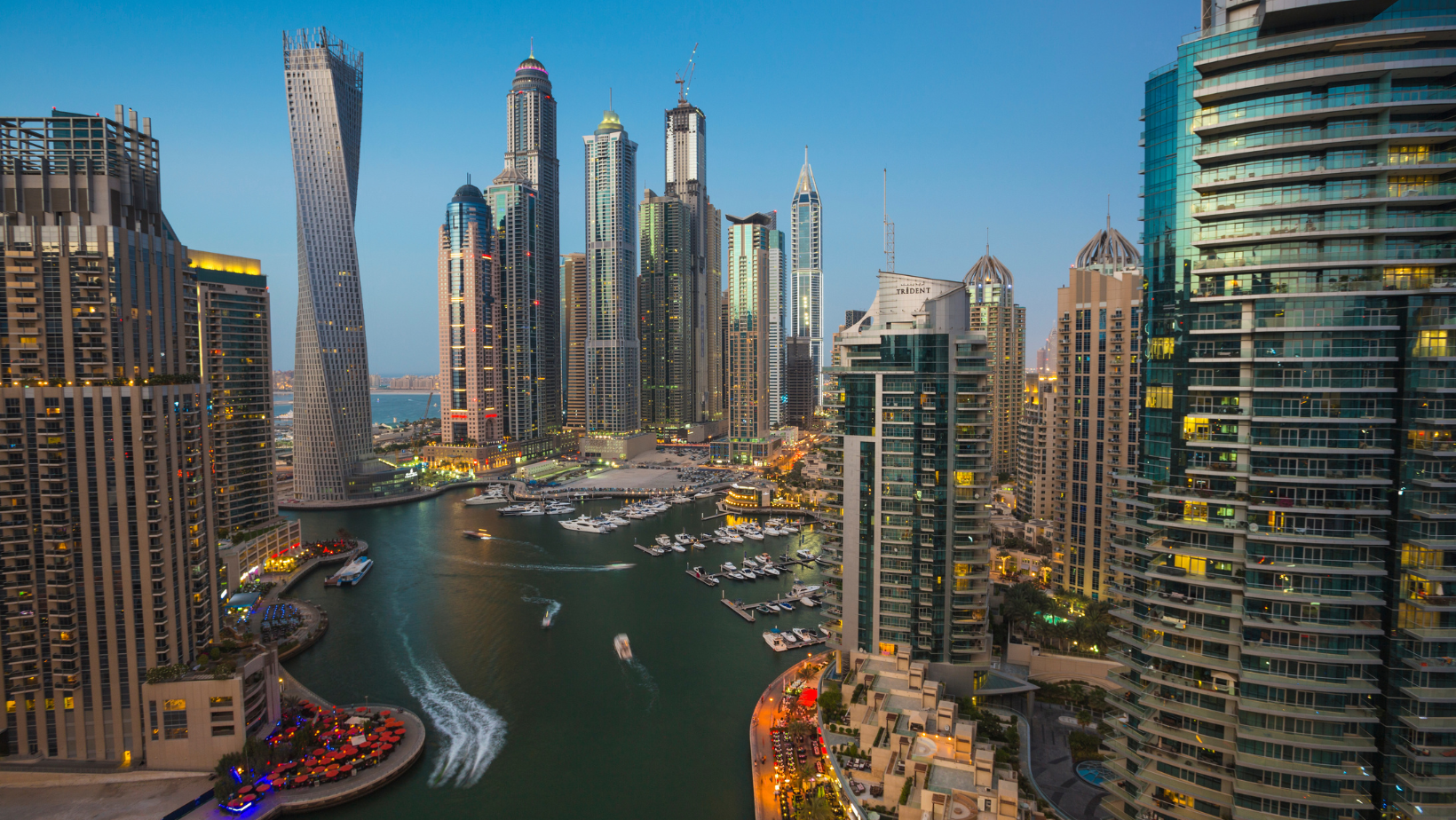
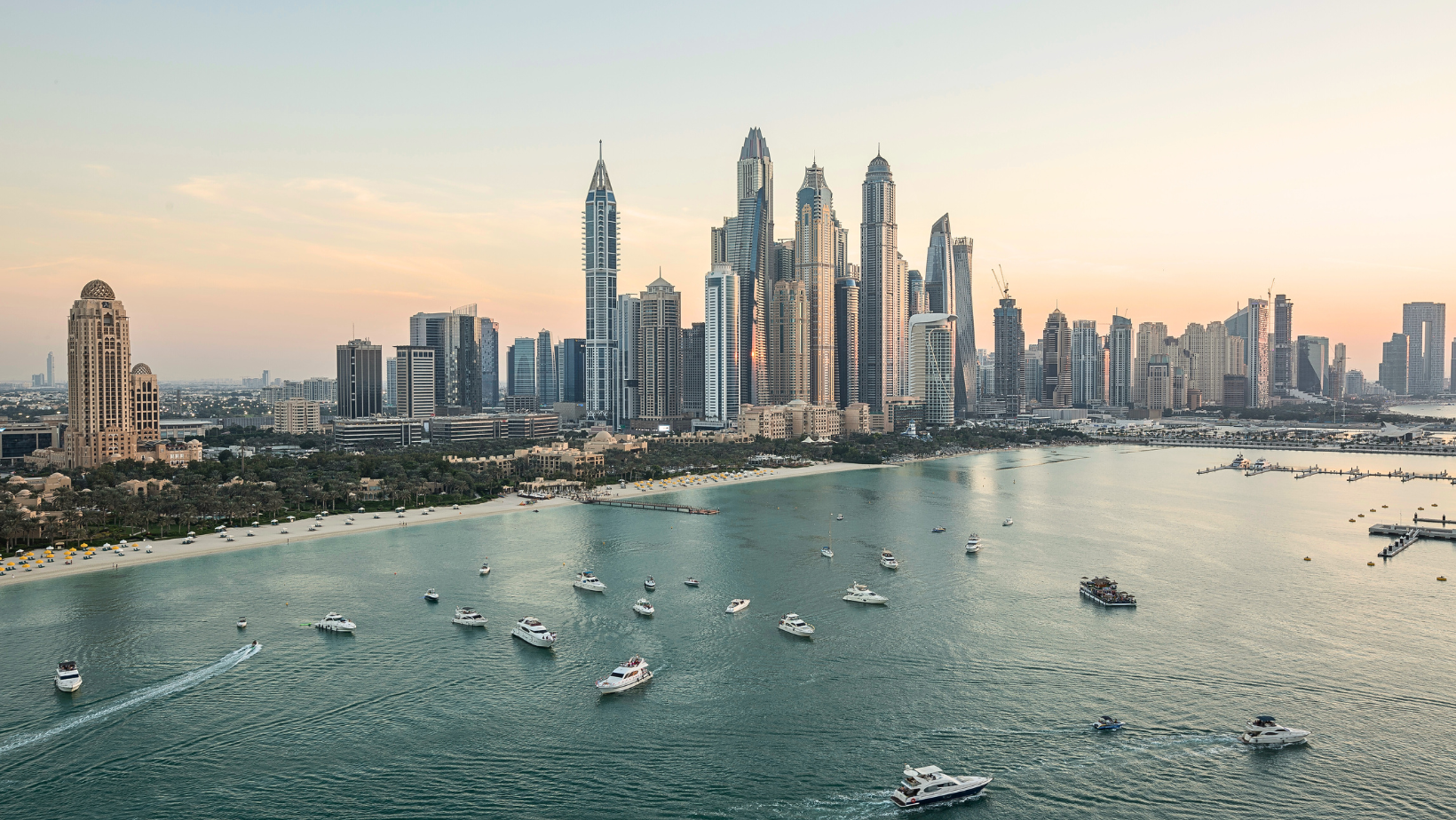
4. Dubai Marina
Average Gross Yield: 5% – 6.5%
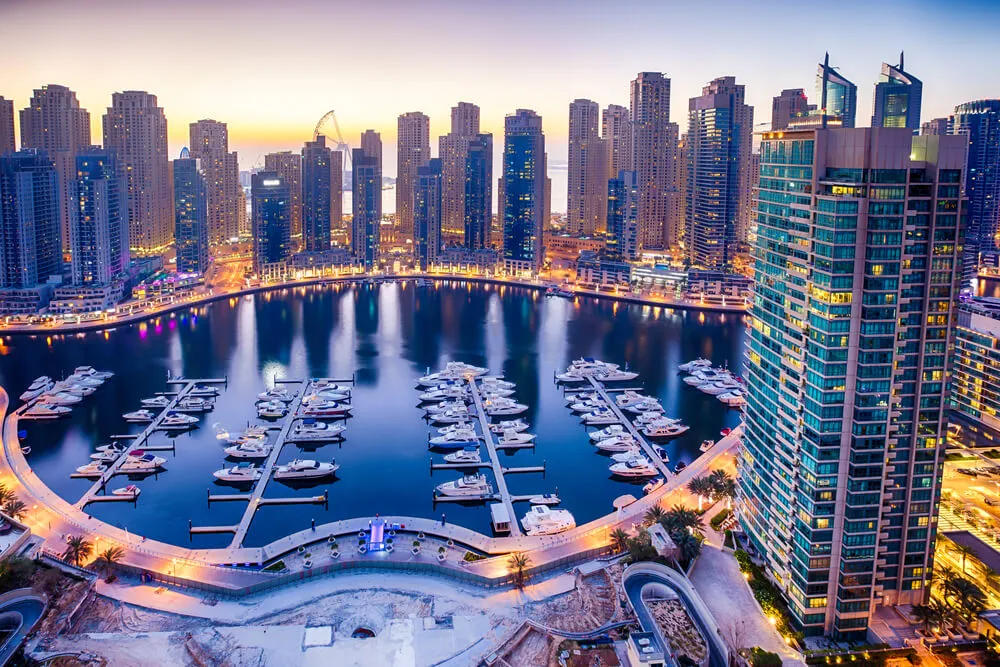
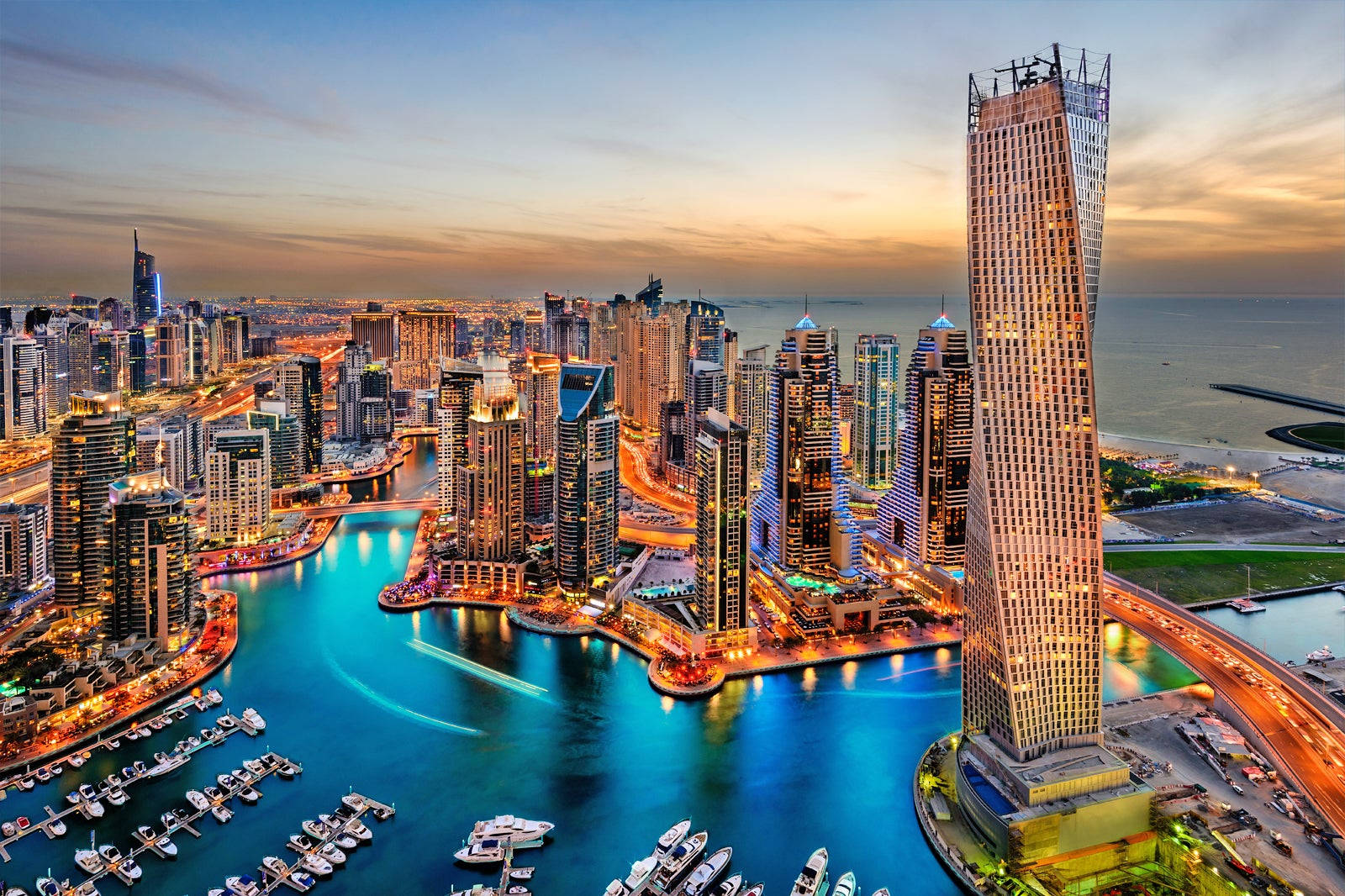
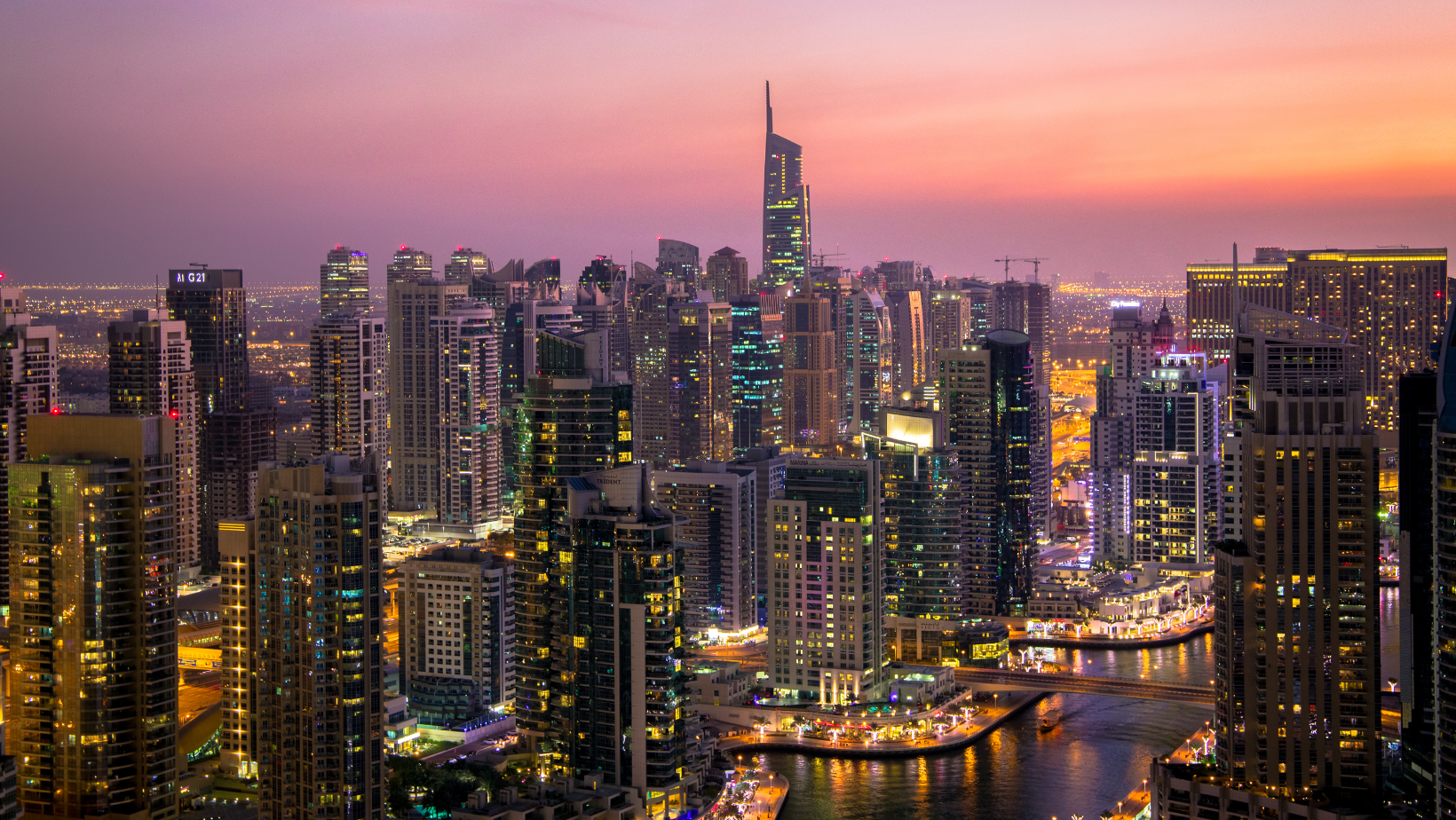
The Breakdown: sea view apartments Dubai Marina remain permanently in demand for expats and vacation rentals. It is a highly mature market; while entry prices reduce gross yield percentages compared to emerging communities, it offers unrivaled prestige and low vacancy risk.
Navigating the Capital Outlay: Down Payments & Fees
To accurately forecast your net returns, you need to account for upfront capital requirements. If you are calculating how much down payment for house in Dubai, the rules depend entirely on the asset class:
- Off-Plan Developments: Typically requires 20% to 24% upfront (a 10%–20% initial down payment to the developer plus the mandatory 4% Dubai Land Department registration fee).
- Secondary Market Mortgages: Non-resident expats looking to utilize local financing generally require a 20% down payment in cash, plus liquid reserves for bank and transaction fees.
What Are the Closing Costs for Buyers in Dubai?
Beyond your down payment, allocate cash for the following transactional closing costs:
- DLD Fee: 4% of the total property purchase price.
- Property Registration Fee: AED 2,000 to AED 4,000 (+ VAT).
- Real Estate Agency Commission: 2% of the purchase price (applicable to secondary market transfers).
The Ultimate Investor Incentive: The Golden Visa
One of the largest structural drivers of the real estate market is the UAE's long-term residency program.
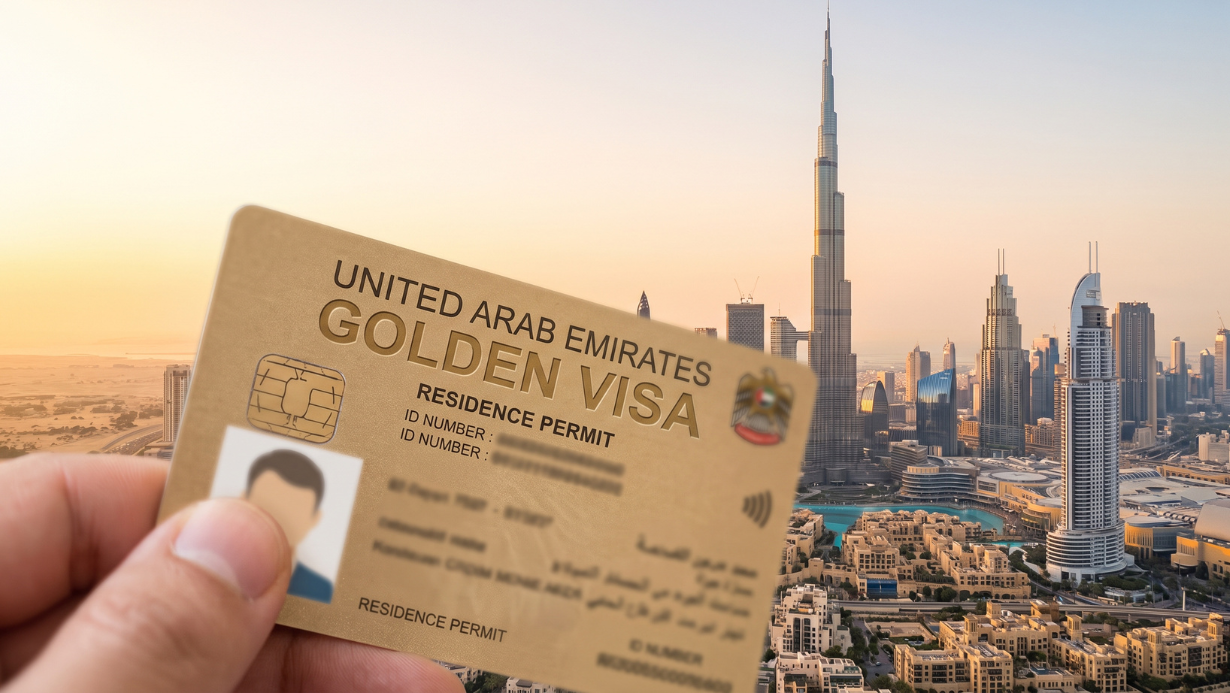
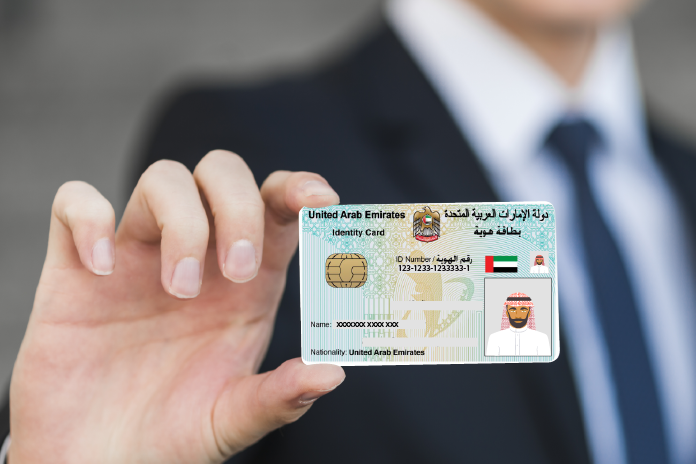
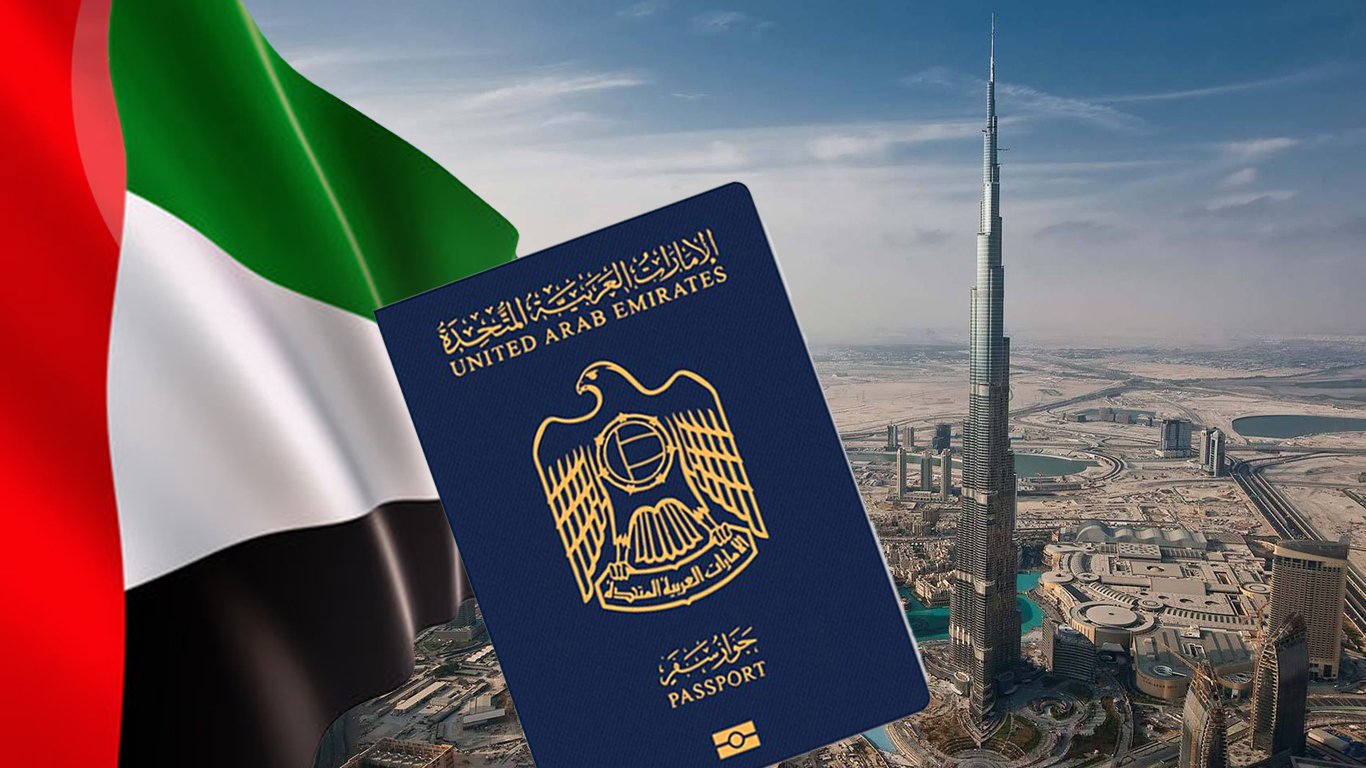
Knowing how to get Golden Visa through property Dubai comes down to a clear financial benchmark: a minimum property value investment of AED 2 Million. You can secure this 10-year renewable residency through ready properties or verified off-plan projects, allowing you to sponsor your family and establish a permanent economic foothold in one of the safest financial jurisdictions globally.
The Strategy for 2026
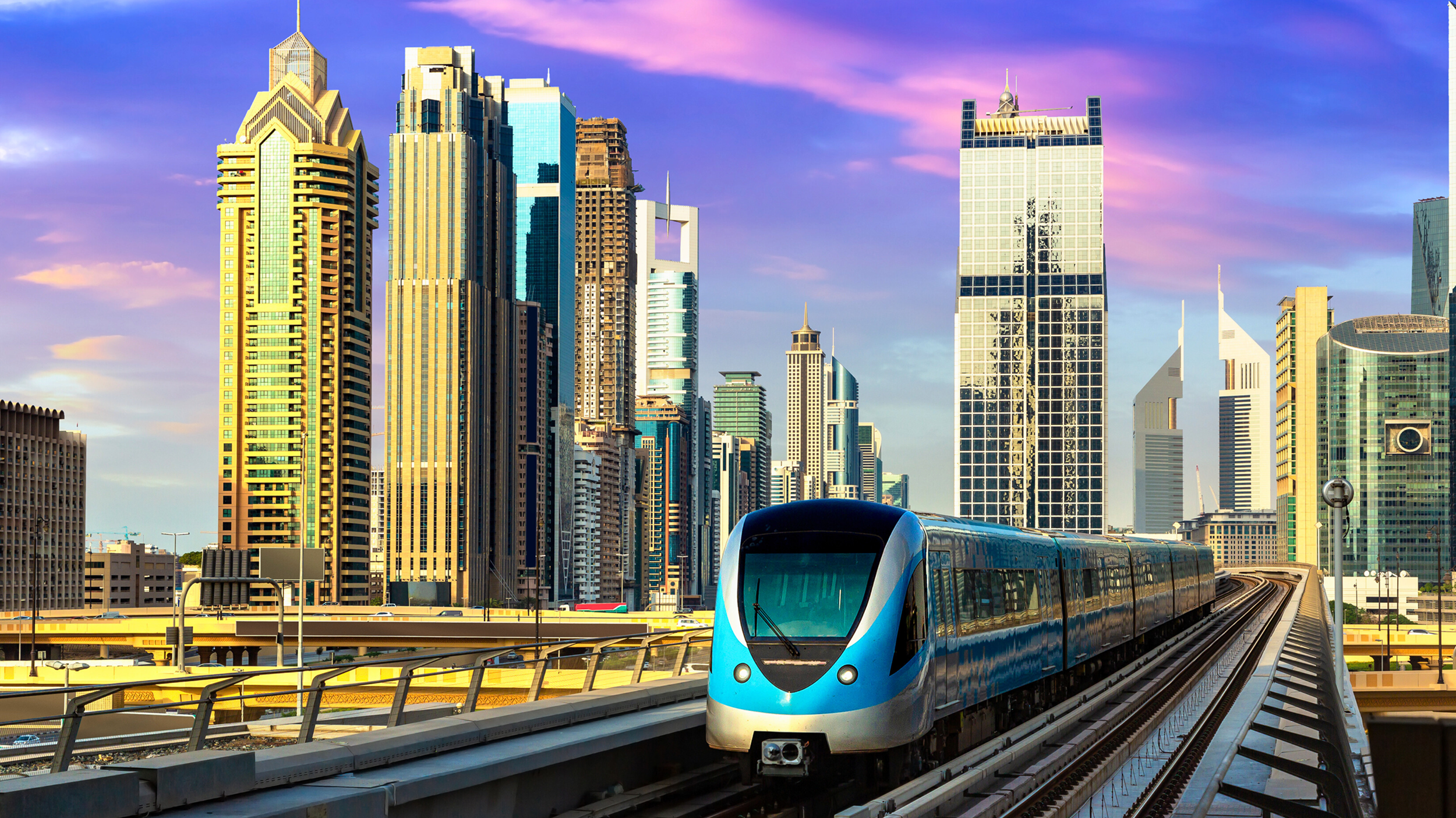
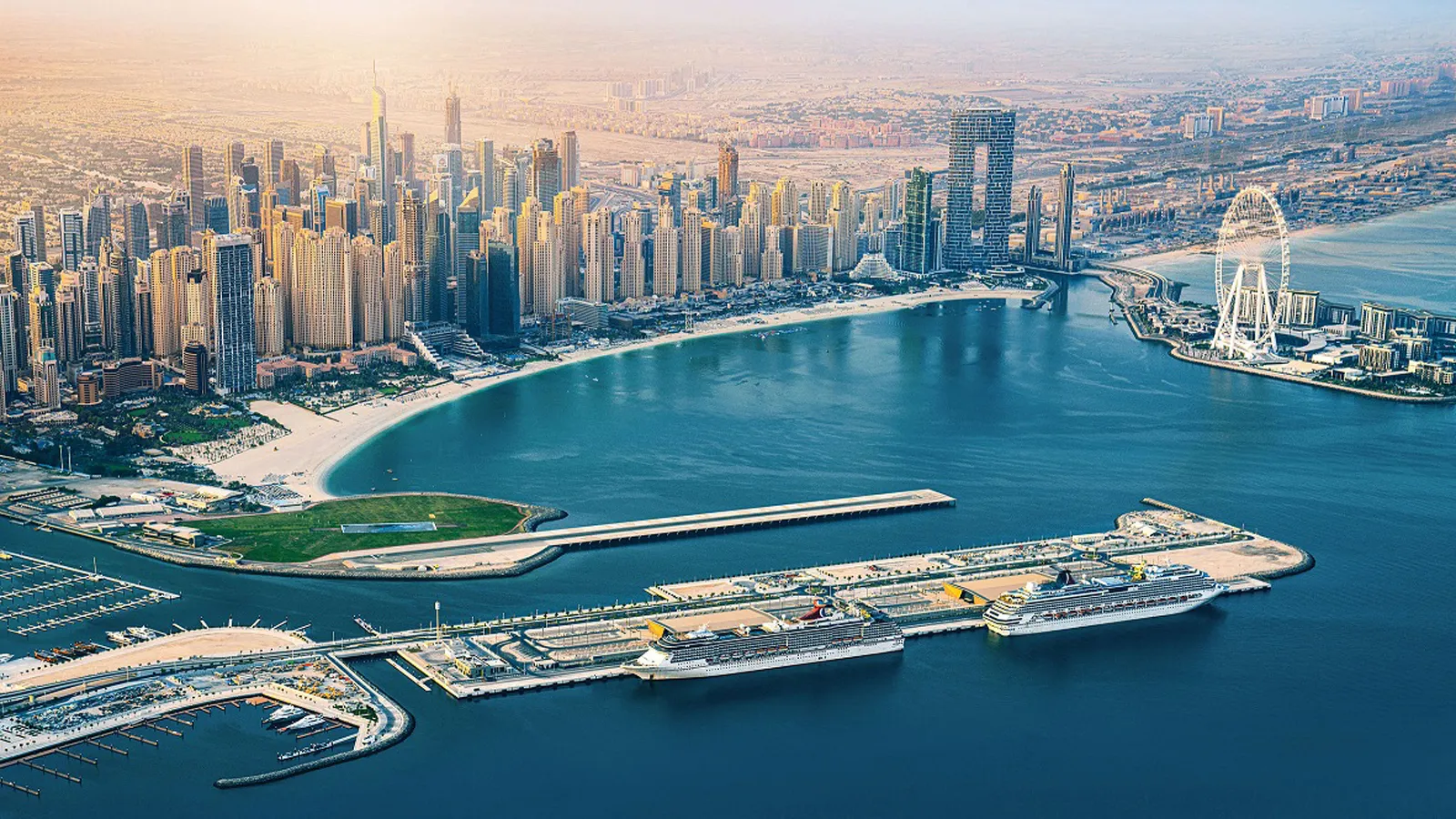
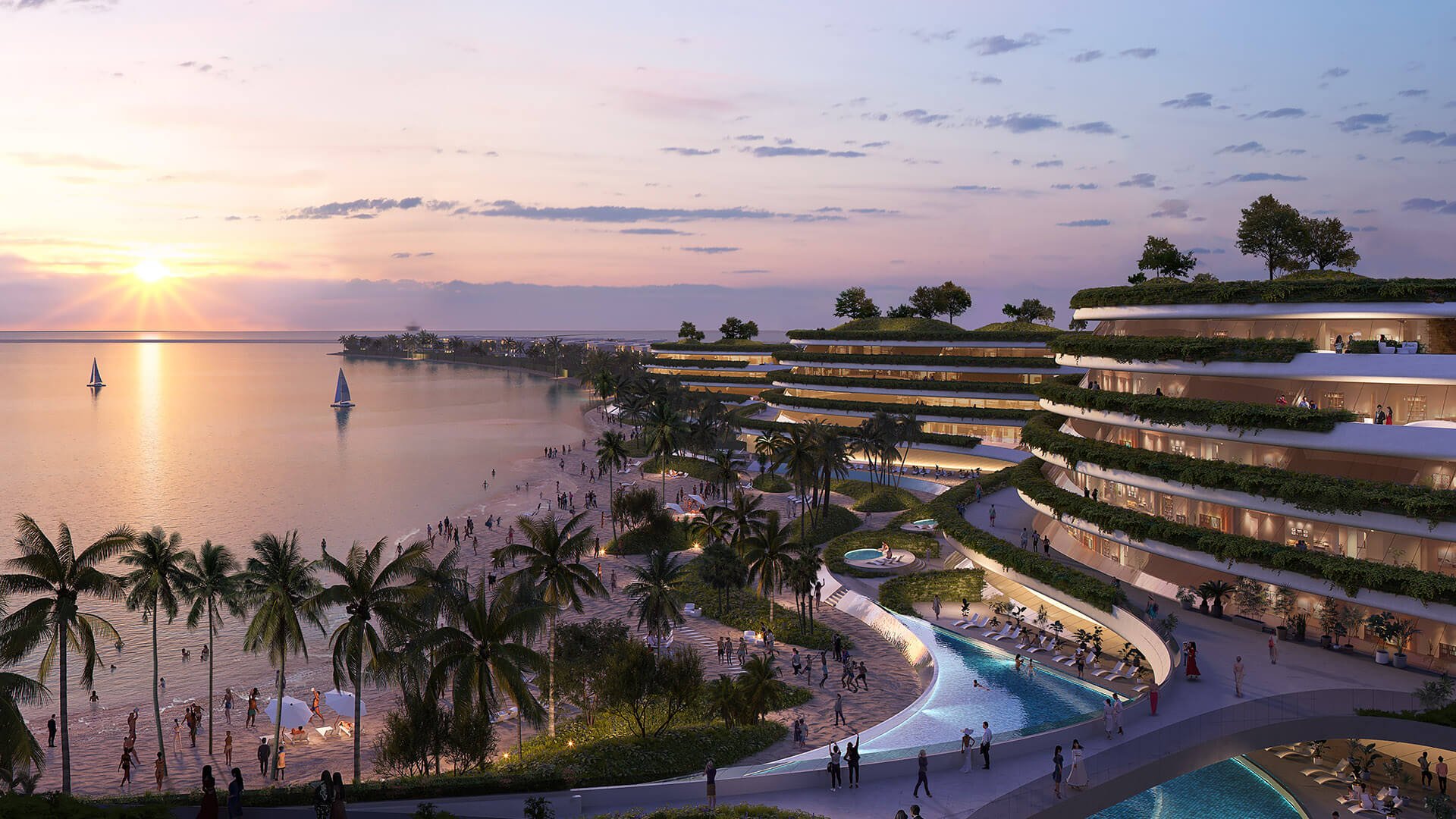
If your primary goal is steady monthly yield, prioritize the [Community] + [Property Type] framework in mid-market zones like JVC or emerging infrastructure hubs like Dubai Maritime City. Secure smaller layouts, factor your 4% DLD fee into your initial cash-flow models, and target properties near expanding transit lines to capture both high rental yields and long-term equity growth.

Get updates straight to your inbox
Stay in the loop! subscribe for quick updates direct to your inbox. Act now!